Georgia's Anaklia Shift: China’s out. Who Steps In Next?
Recent Articles
Author: Ana Maria Kvatashidze
07/23/2026
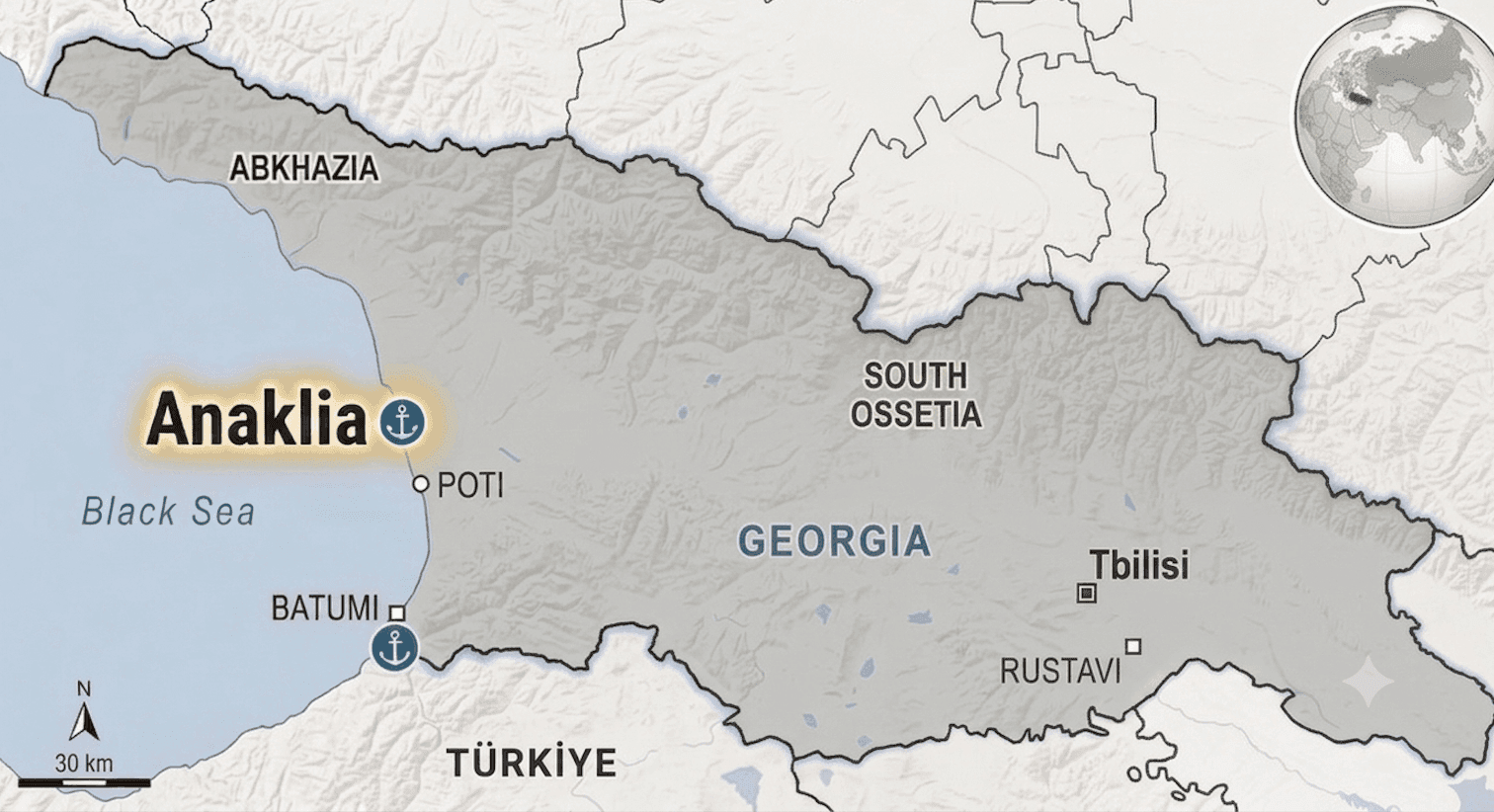
Georgia has officially abandoned the joint-investment model for the construction of its Anaklia Deepwater Port, switching instead to a fully state-owned “landlord model” under which the government will own 100% of the port while private companies lease and operate individual terminals. Minister of Economy Mariam Kvivrishvili said in a press statement that the decision was made in conjunction with the Chinese consortium that was previously selected to carry out the project construction, describing the transition as one driven by Georgia’s national interests rather than by a breakdown in negotiations.
This decision represents a fundamental reorientation of Georgia’s strategy for developing one of the Middle Corridor’s most significant infrastructure projects. Rather than relying on a single equity investor, the government is attempting to achieve greater strategic flexibility and maintain national control over an important Black Sea access point by combining state ownership with multiple commercial operators.
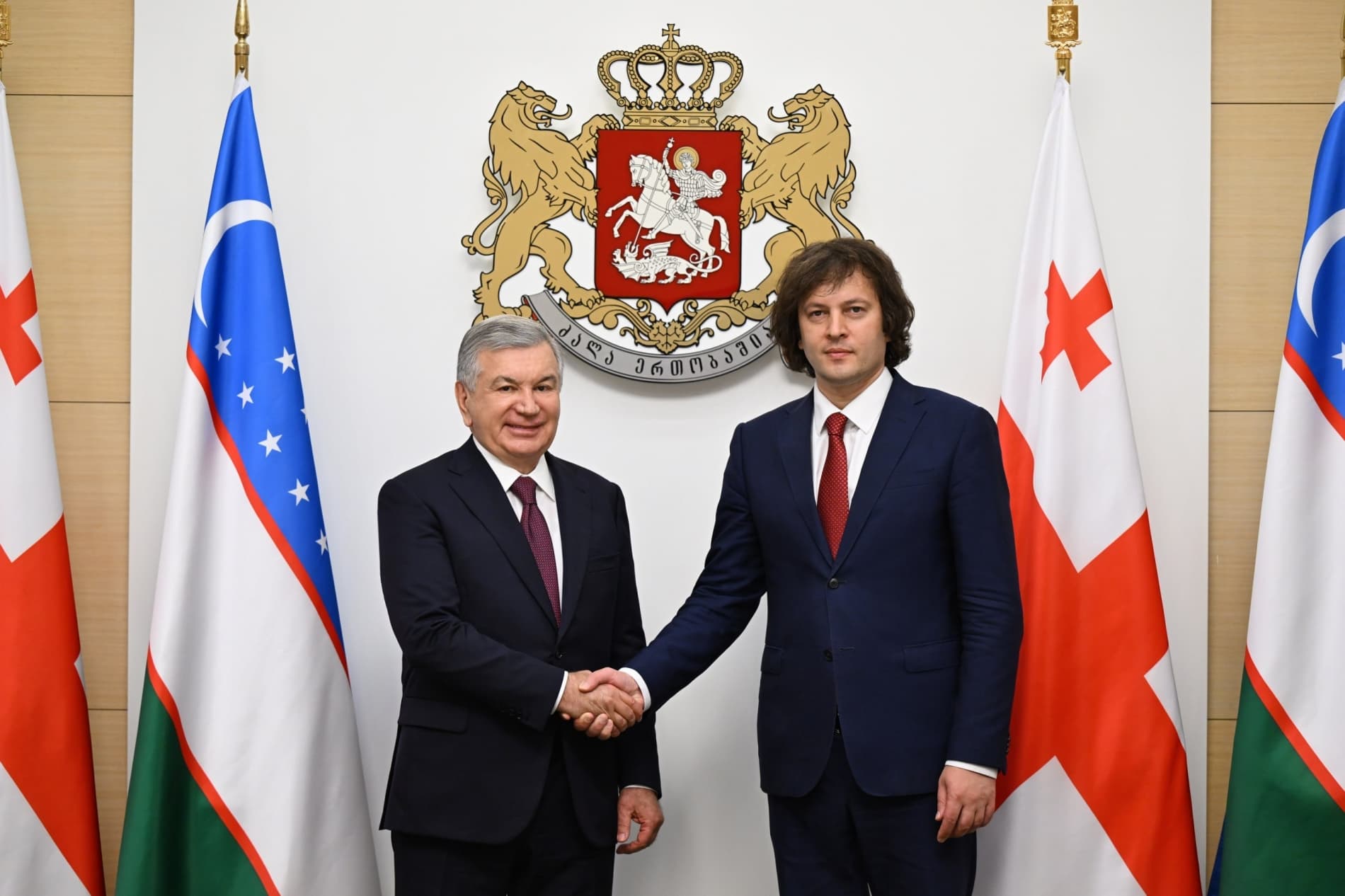
The timing is significant because the move comes in a time of heightened interest and competition over the Middle Corridor and just days after Georgia and Uzbekistan strengthened bilateral relations to a strategic partnership centered on trade and connectivity. These developments underscore Anaklia’s growing importance from a national infrastructure project to a strategically crucial link for the Black Sea, the South Caucasus, and across the Caspian Sea into Central Asia.
Under the previous model, the Georgian state would have held a 515 stake in the port while the remaining 49% would be held by a Chinese consortium. This new framework eliminates equity participation entirely in that the government will finance and control all core infrastructure, maritime facilities, and port assets, while terminal operations will be opened to multiple companies through long-term lease agreements.
This approach is widely used at many of the world’s leading ports, separating ownership from operations, thus giving governments power to control key infrastructure strategic assets and allowing the private operators to compete in providing specialized services. Successful implementation of the model could broaden participation in the Anaklia Port project by attracting and bringing in companies from other parts of the world. The different expertise potentially strengthens Anaklia’s competitiveness as cargo volumes along the Middle Corridor continue to expand.
The port’s success will be also determined by different factors as the shift transfers substantially greater responsibility to the Georgian state. Tbilisi takes on a larger role in developing the physical infrastructure and ensuring the port becomes a commercial success without a strategic investor to share financing obligations and project risks. The construction currently remains underway with the Belgian contractor continuing the dredging and breakwater works; however, building a port is just the first stage of developing a successful logistical hub.
The greater challenge will be attracting operators, shipping lines, and cargo. The landlord model might strengthen the governance, but port’s commercial success will ultimately depend on whether Georgia can secure a long-term commitment from multiple operators and also whether sufficient cargo volumes can be attracted to establish the port as a competitive gateway along the Middle Corridor.
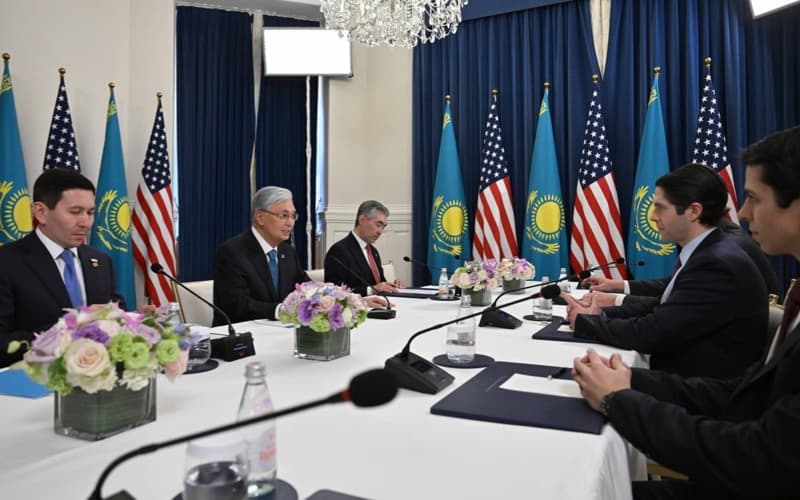
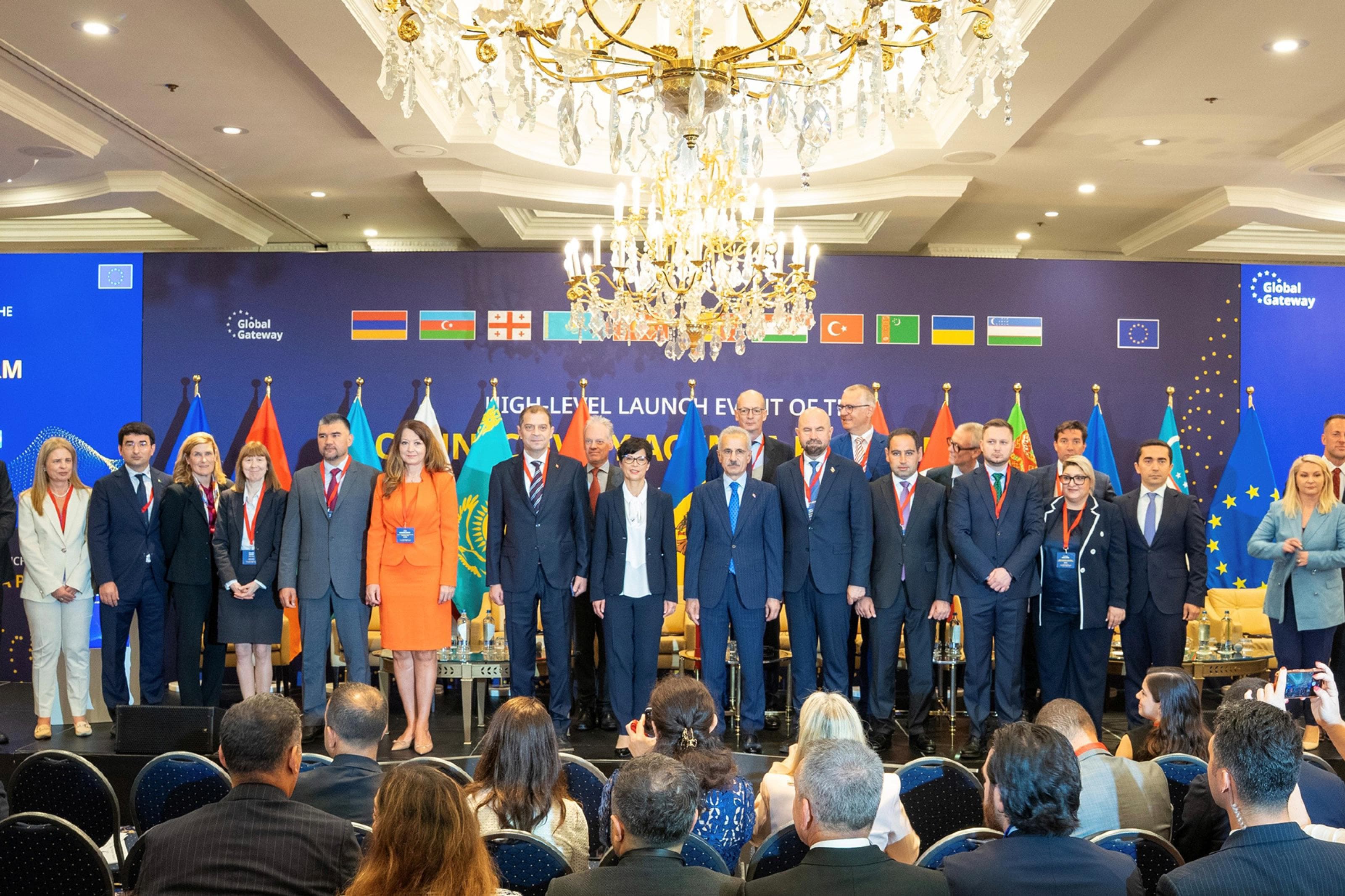
Georgia’s decision here leaves a strategic gap to be filled. The European Union has consistently backed the development of the Middle Corridor through its Global Gateway strategy and broader connectivity agenda with Central Asia and the South Caucasus. However, this political support does not automatically translate into direct investment in such projects like Anaklia. The EU is well positioned to support surrounding transportation infrastructure, connectivity, and institutional reforms. It is less clear, however, whether the EU would be willing to take on a leading financial role in Anaklia's development. Western partners might also remain cautious, given Georgia's domestic political environment and the project's history of repeated delays.
Central Asian countries have perhaps the clearest commercial rationale. Uzbekistan’s recent strategic partnership with Georgia reflects Tashkent’s growing interest in securing access to the Black Sea and diversifying its export routes. In fact, Uzbek cargo moving through the Middle Corridor has reportedly doubled over the past five years, reaching 1.2 million tons by the end of 2025. Therefore, Anaklia would be a large-scale and reliable way to access global markets for the landlocked Central Asian economies.
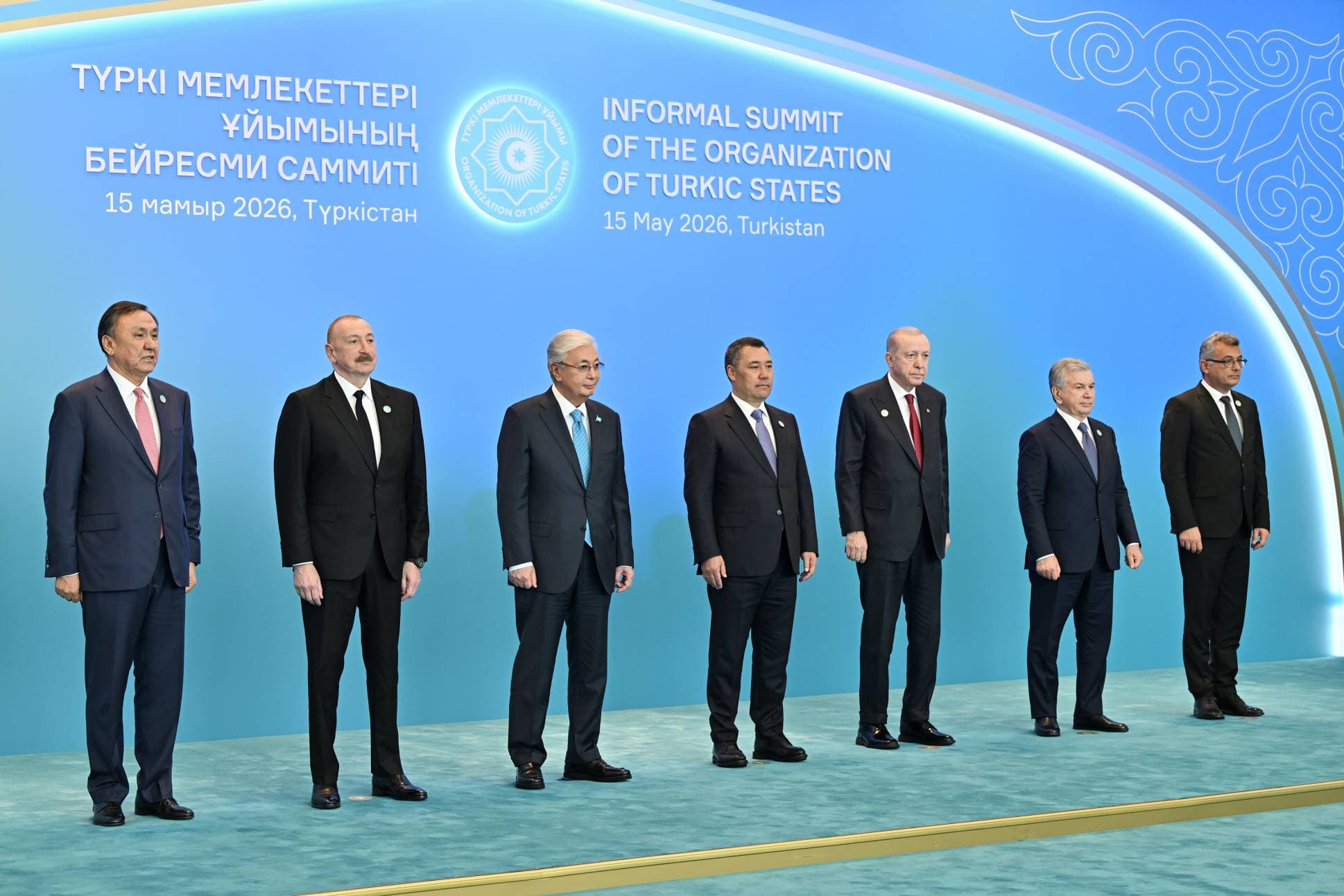
Azerbaijan might also emerge as one of the main stakeholders. As the main entry point between the Caspian Sea and the South Caucasus part of the Middle Corridor, Baku stands to benefit from better connections to the west through Georgia. A successful Anaklia project could complement Azerbaijan’s own logistics ambitions by increasing the corridor’s Black Sea capacity. The interest though does not automatically translate into large-scale investment.
As for China, the government officials have emphasized that cooperation with Beijing remains positive and that Chinese companies are welcome to participate in the port’s future operations. This decision, however, removes China’s central role in one of the Middle Corridor’s most significant infrastructure projects. In short, while China is increasing its economic presence across Eurasian transport corridors, Anaklia seems to be moving towards a more diversified partnership approach. Georgia could be seeking not to choose between China and the West, but to avoid making that choice altogether by preserving opportunities for Beijing's commercial participation without granting it a dominant role.
As competition over Eurasian connectivity intensifies, this project will test Georgia's ability to deliver a project of this scale and magnitude. The question also remains whether countries championing the Middle Corridor are prepared to back vision with capital, cargo, and long-term commercial commitments or to leave Georgia to carry the weight of Anaklia’s next phase alone.