Next Step: Tokayev’s Visit to Brussels Strengthens EU-Kazakhstan Relations
Recent Articles
Author: Kurtis Yan
07/09/2026
 Akorda
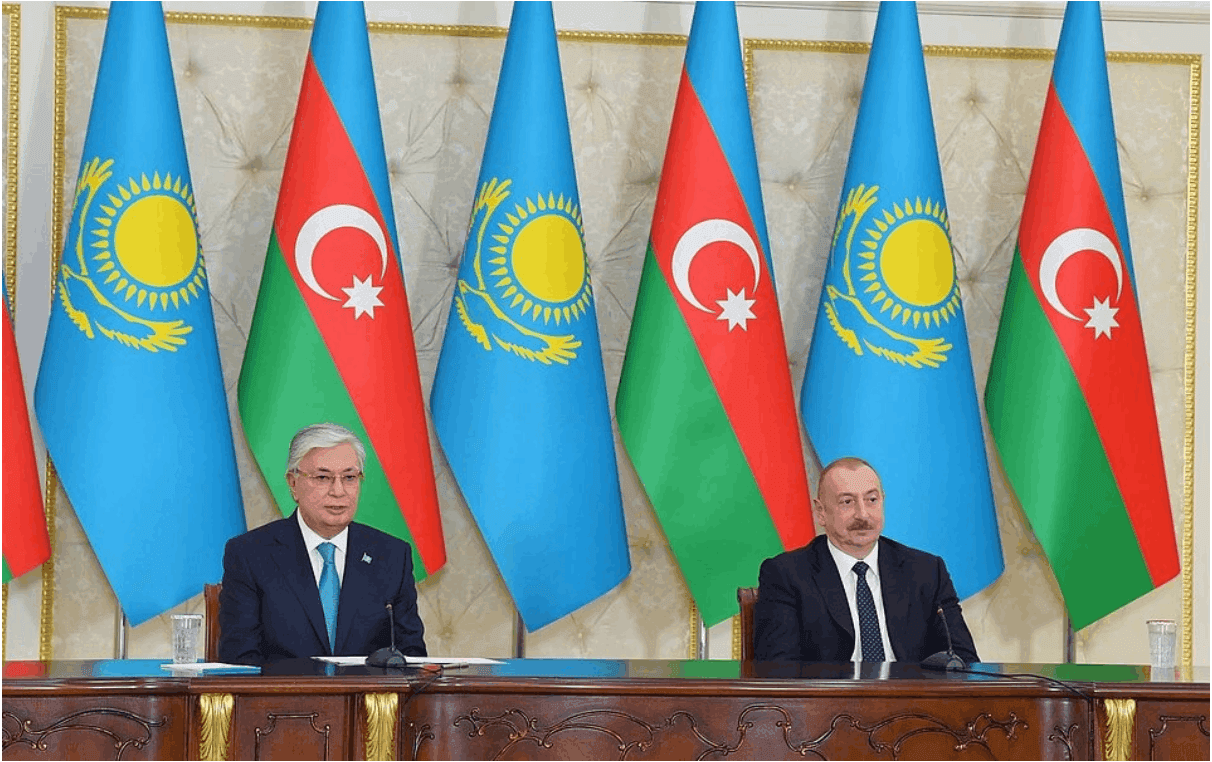
“Kazakhstan, and Central Asia as a whole, is a natural global gateway.” These were the words of European Commission President Ursula von der Leyen, preceding Kazakhstan President Kassym-Jomart Tokayev’s June 22-23 visit to Brussels. Key moments from the diplomatic trip included meetings with the European Union’s (EU) leadership, agreements to strengthen connectivity, a strategic partnership in critical minerals, and a package of commercial Memoranda of Understanding (MoU) valued at €12B.
Tokayev’s visit builds off existing momentum to enhance EU-Central Asia cooperation. In 2015, Kazakhstan became the first country from Central Asia to sign an Enhanced Partnership and Cooperation Agreement with Brussels, and the EU is now Kazakhstan’s largest trade partner. Last year, European Commission Vice President Kaja Kallas paid a visit to Almaty, while EU leaders also traveled to Samarkand, Uzbekistan, to participate in the first-ever EU-Central Asia summit. As such, the role of Central Asia is growing in the EU’s calculus, and this latest example of cooperation illustrates how the EU is leveraging the region to bolster its energy security, diversify partnerships, and promote connectivity.
Coordination and Commercial Investment in Strategic Sectors
A joint statement between Tokayev, von der Leyen, and European Council President Antonio Costa emphasized the importance of energy security and supply chain resilience at the heart of bilateral relations. Recognizing Kazakhstan’s growing role in energy markets, both parties signed a strategic partnership on sustainable raw materials, batteries, and renewable hydrogen. This agreement aims to boost cooperation on building more resilient supply chains, modernizing minerals refining methods, boosting innovation in materials recycling, and reducing dependence on fossil fuels.
Under the EU’s Global Gateway program, the European Investment Bank (EIB) and the European Bank for Reconstruction and Development (EBRD) also signed during the visit an MoU to carry out feasibility studies of a new laboratory in Astana, dedicated to verifying the contents of critical raw materials. Similarly, several Kazakh educational institutions signed agreements with EU’s Erasmus+ and Horizon Europe initiatives, aimed at improving quality of education and promoting collaboration on research and innovation.
Another priority sector of cooperation and investment is east-west connectivity. The Global Gateway facilitated an EIB loan of €150M to KazAvtoZhol, Kazakhstan’s national road company, to improve the quality of roads along the Middle Corridor. Moreover, an investment package totaling $462M was unveiled at a conference between Kazakhstan Temir Zholy (KTZ) and notable EU logistics companies, including DHL Global Forwarding, and A.P. Moller-Maersk.
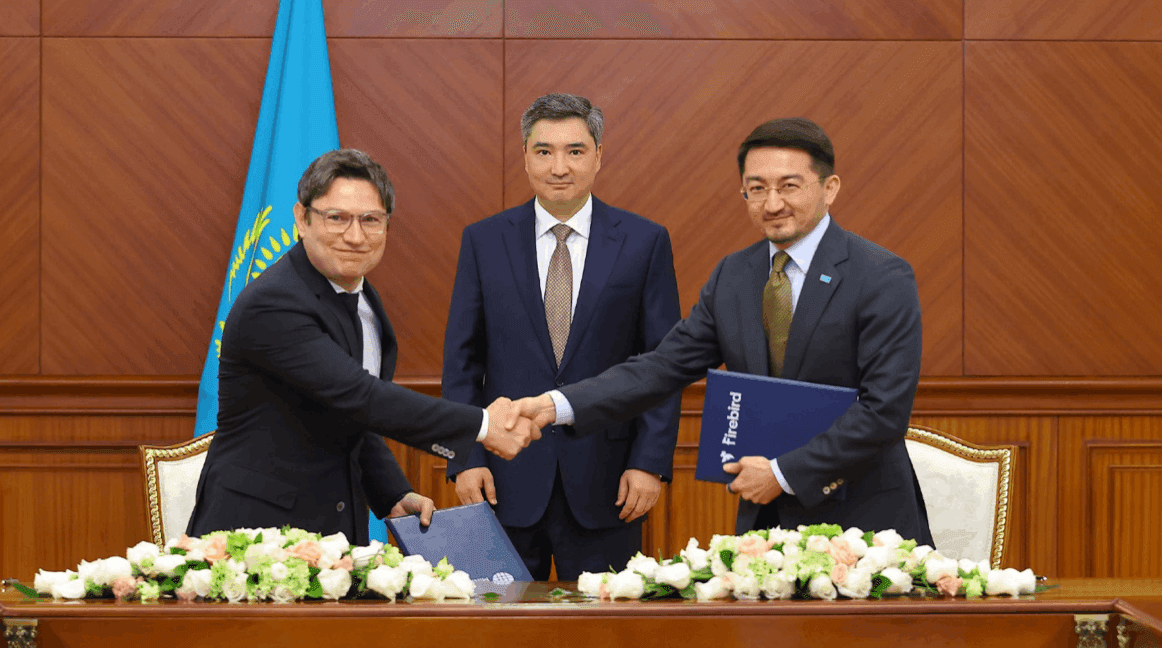
In particular, KTZ agreed to develop infrastructure at Romania’s Port of Midia in order to improve the efficiency of cargo handling. Kazakhstan also signed a deal with A.P. Moller-Maersk to improve cargo and container shipping capacities along the Middle Corridor. Overall, MoUs on projects valued over €12B were reportedly signed between Kazakh companies and EU firms, according to Tokayev, though details on the specific commercial deals have yet to be released.
The EU unveiled its first ever Connectivity Agenda Platform on June 22, with senior representatives present from Central Asia and the South Caucasus. In coordination with international finance institutions, the European Commission approved statements of intent to mobilize up to €2B to further strengthen the Middle Corridor’s capacity. The platform also seeks to promote strategic investment between interested parties and stakeholders.
People-to-People Connectivity
To improve human connectivity and ease of transport, both parties approved several key initiatives. For one, a Visa Facilitation Agreement was passed, which aims to simplify the visa application and acquisition process for Kazakh citizens making short-term visits to the EU. This agreement, however, does not replace the need for a visa. Additionally, both sides agreed on the implementation of a new Horizontal Aviation Agreement. This agreement would allow airlines of any EU member state to operate routes to Kazakhstan, even if the airline is not owned by nationals from the EU or Kazakhstan. In practice, this would promote fair competition among airlines and potentially raise the frequency of flights between the two parties.
On top of travel agreements, Air Astana recently expanded its purchase options for its order of over €7B in aircraft from Airbus. The order, which was placed in March, was for 25 A320neo/A321neo aircraft to FlyArystan, a subsidiary of Air Astana. With the new purchase option to double the order, the total fleet could increase by 50 commercial airliners, beginning in 2031. These Airbus models are frequently deployed for long-haul international flights.
Significance Going Forward
Tokayev's latest visit to the EU demonstrates the recognized role it plays between Europe and Asia. Geopolitical events have exposed vulnerabilities in the EU’s supply chains, necessitating alternative partners for access to both hydrocarbons and alternative energy materials. Thus, both parties are actively seeking to strengthen east-west connectivity and the logistical capabilities of the Middle Corridor. These efforts are vital if Central Asia wants to provide the EU with a secure, alternative source of energy supplies.
However, the EU agenda indicates that connectivity goes beyond logistics and physical infrastructure. Many of the commercial agreements signed during Tokayev’s visit look to facilitate innovation, while the travel agreements point to the importance of interpersonal collaboration and interactions. Together, these initiatives suggest that EU-Kazakhstan relations might well evolve into a more durable strategic relationship, grounded in commercial cooperation, institutional linkages, and sustained people-to-people engagement.