Armenia after Pashinyan’s Win: Peace, Pressure, and the Road West
Recent Articles
Author: Zohra Movsumova
06/23/2026
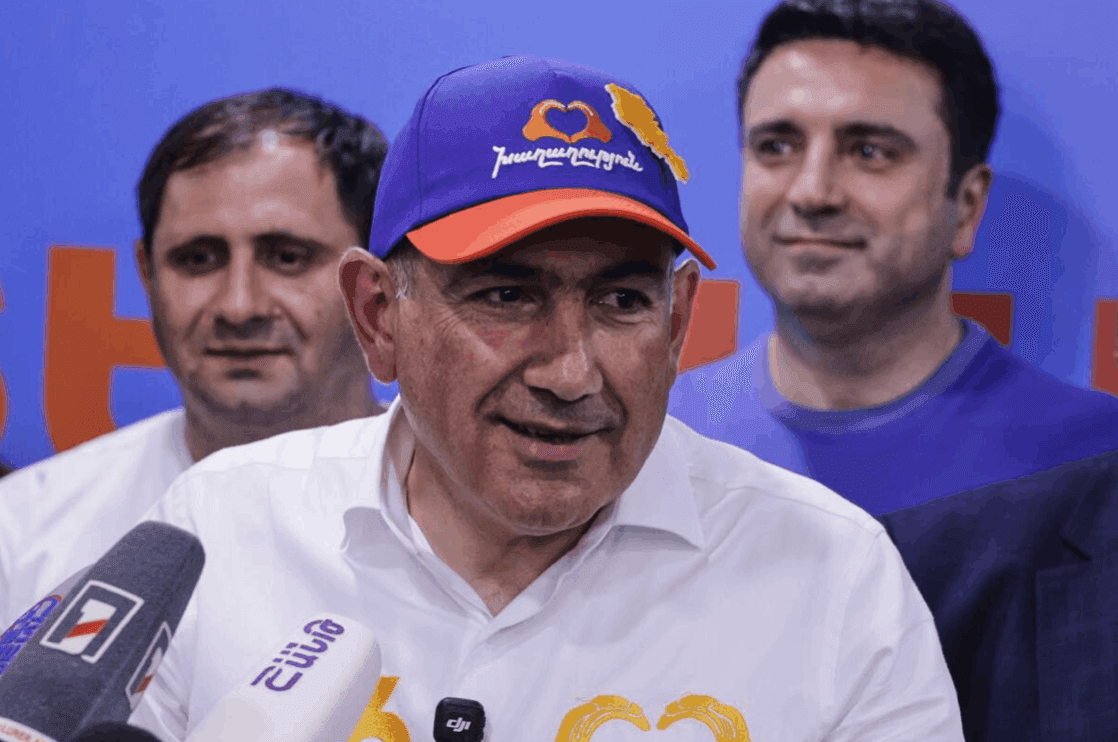
Nikol Pashinyan’s win in recent Armenian parliamentary elections has brought a pivotal question to the table: Now what? Does his renewed mandate mean Yerevan’s current foreign policy trajectory will strengthen? Can the United States and its European partners help Armenia navigate the difficult road ahead? The election was not only a domestic contest over parliamentary control but also a difficult and delicate test of Armenia’s post-2023 direction. Pashinyan seeks to preserve his government’s course of re-establishing peace with Azerbaijan and deepening cooperation with the West, all the while balancing a strained but still necessary relationship with Russia.
On June 7, Pashinyan’s Civil Contract party secured a victory in Armenia’s parliamentary elections with just under 50% of the vote, a clear win, though weaker than many had anticipated. The result keeps Pashinyan in power and allows his government to continue pursuing its Western-leaning and peace-oriented agenda, but the performance of the opposition confirms that pro-Russian and anti-Pashinyan forces remain politically relevant. Major hurdles remain for the new government.
The strongest challenge came from Strong Armenia, an opposition alliance backed by Russian-Armenian billionaire Samvel Karapetyan, who emerged in June 2025 as one of Pashinyan’s most visible opponents. Although Karapetyan remained under house arrest, having left much of the campaign to be led by his nephew, Narek Karapetyan, his political appeal rests partly on criticism of Pashinyan’s pro-Western shift and calls for a more cautious approach toward Russia. Strong Armenia finished second with roughly 23% of the vote, showing that scepticism toward Pashinyan policies continues to resonate with a substantial segment of the electorate.
Another major opposition force is the Armenia Alliance, led by former President Robert Kocharyan, who served as Armenia’s president from 1998 to 2008 with a strong pro-Russian orientation and who advocated closer integration with Moscow. Kocharyan remains closely associated with the former Armenian separatist administration in Nagorno-Karabakh, especially as he focused much of his political identity on his wartime role and ties to the First Karabakh War that took place from the late 1980s until May 1994.
Kocharyan represents an older political establishment in Armenia before the 2018 Velvet Revolution and appeals to voters who favor closer ties with Russia and a more hardline approach to the conflict with Azerbaijan. His performance shows that political networks tied to Armenia's pre-2018 establishment remain relevant in domestic politics today.
This opposition background is critical for understanding the next phase of Armenian politics. Pashinyan’s victory gives the country continuity, but not certainty. His government can continue pursuing normalization with Azerbaijan and Türkiye as a pathway to expanded trade routes, foreign investment, and regional integration. However, the real test now is whether Pashinyan can turn electoral survival into tangible security and economic gains, especially as Russia’s leverage and the unresolved trauma of Nagorno-Karabakh continue to linger in the background of Armenia’s political landscape.
Challenges Ahead
Pashinyan’s greatest political challenge, however, might lie ahead. Armenia is preparing to hold a referendum on a new national constitution that would remove references to Nagorno-Karabakh, which is a precondition set by Azerbaijan before it will agree to sign a finalized peace treaty. The draft for the new constitution was finalized in March.
Initiating a call for a referendum on constitutional change will first require a two-thirds supermajority in the National Assembly. Though the Prime Minister's Civil Contract party won a solid majority in the election, it fell far short of the supermajority needed to bypass a popular vote or petition drive. As a result, the government will likely need to undertake the unlikely task of negotiating with the opposition for needed votes to initiate the referendum or gather roughly 200,000 citizen signatures via a formal petition to secure the constitutional vote.
With passage a crucial element of Pashinyan's realignment agenda, the referendum is expected to be scheduled in 2027. If successful, the referendum would pave the way for a peace treaty with Azerbaijan, opened borders with Türkiye, and confirm deeper integration with the West.
Openings
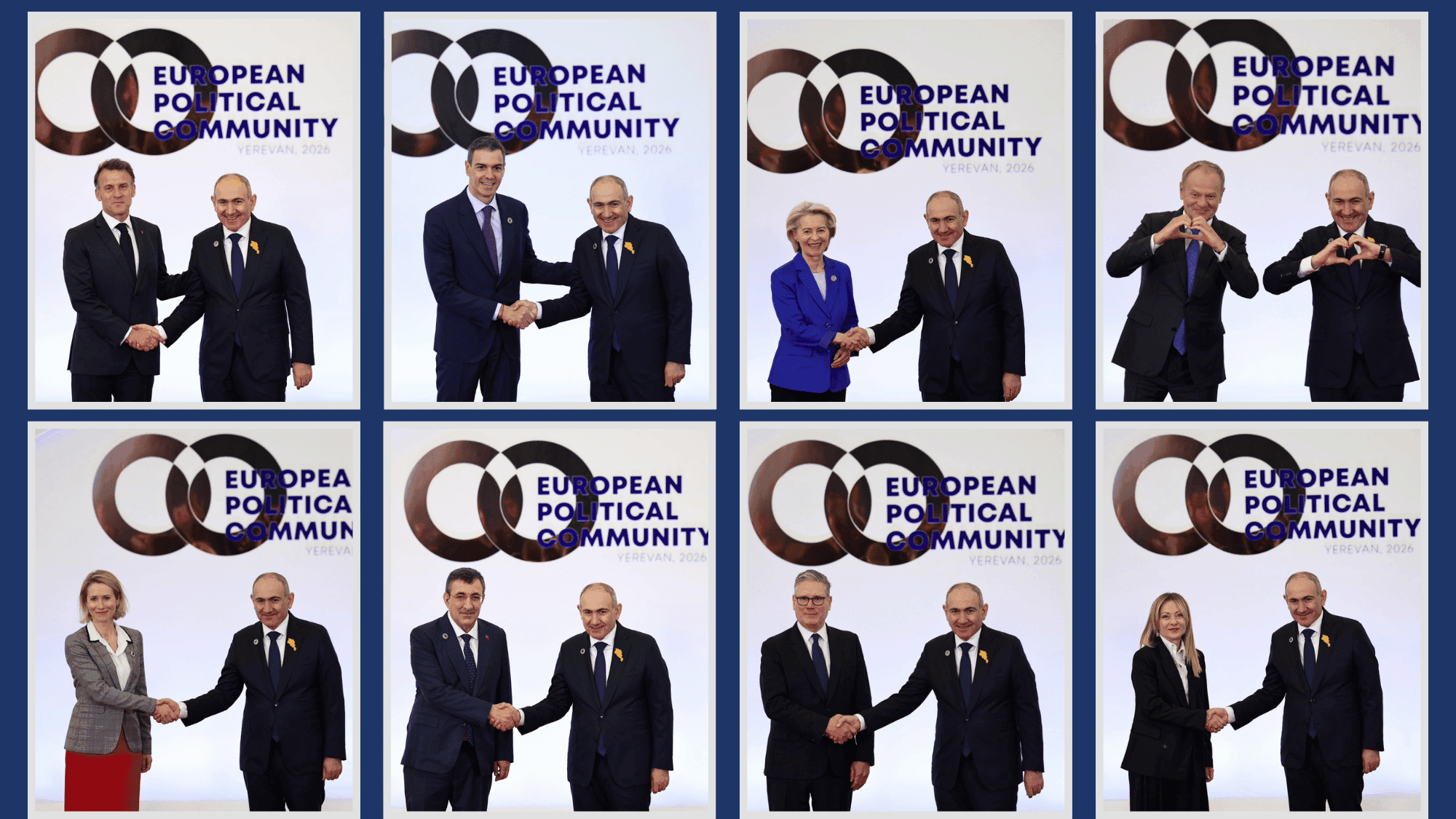
Western leaders quickly welcomed Pashinyan’s victory. European Commission President Ursula von der Leyen publicly stated that “Armenia can count on us,” while EU officials framed the result as a sign that Armenian voters supported a democratic future. Ukraine President Volodymyr Zelensky was also among those to congratulate Pashinyan and called the election a victory for Armenia’s “sovereignty and independence.”
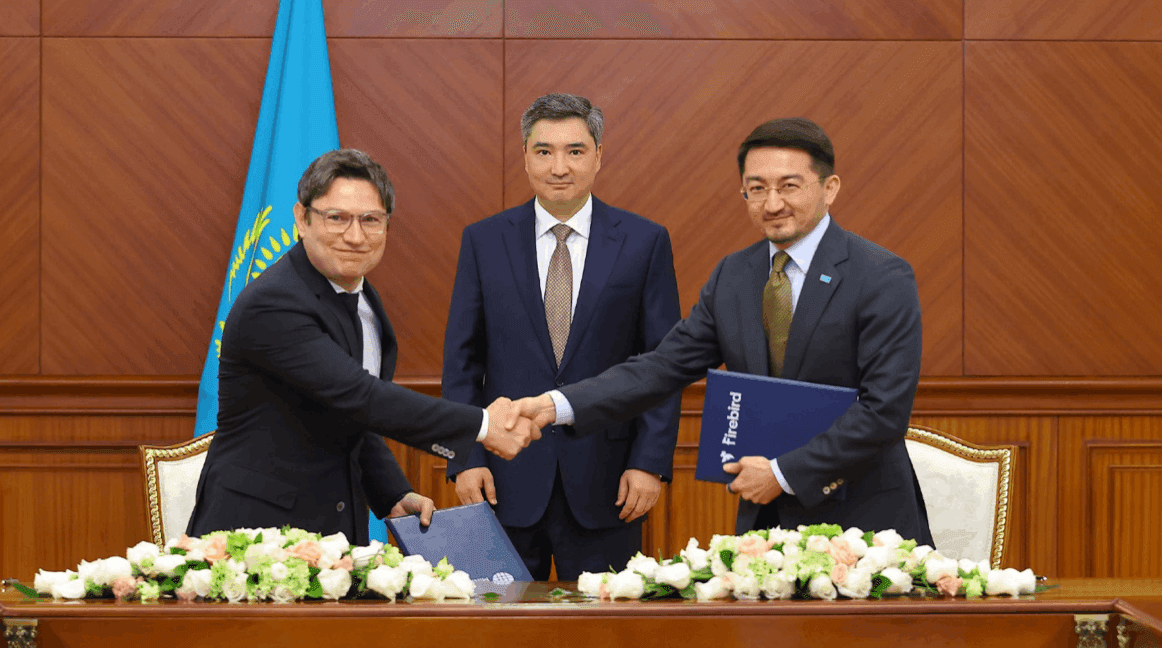
The regional response also underscores Armenia’s broader significance. Kazakhstan’s President Kassym-Jomart Tokayev was one of the first to congratulate Pashinyan and expressed interest in deepening cooperation with Yerevan. Kazakhstan maintains close ties with Azerbaijan but has a complex relationship with Moscow. Tokayev’s quick response points to a wider interest in seeing a stable and more connected South Caucasus.
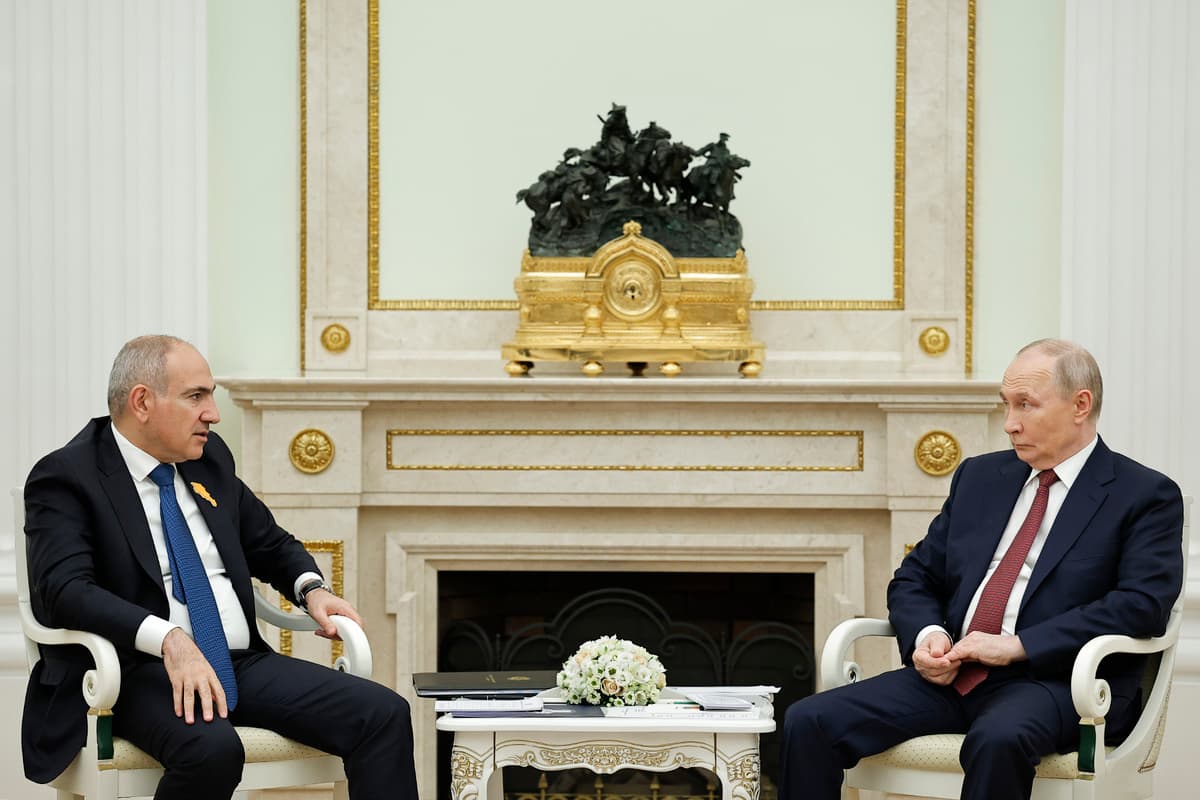
Notably, President Vladimir Putin was absent from the wave of congratulatory messages. Earlier this year, Pashinyan said that he and Putin had agreed during an April 1 meeting in Moscow to meet again in the “second half of June,” describing Armenia-Russia relations as undergoing a “constructive transformation.” Although the meeting has yet to take place, Putin’s silence likely reflects Russia’s reassessment of its relationship with Armenia that is moving forward toward the West.
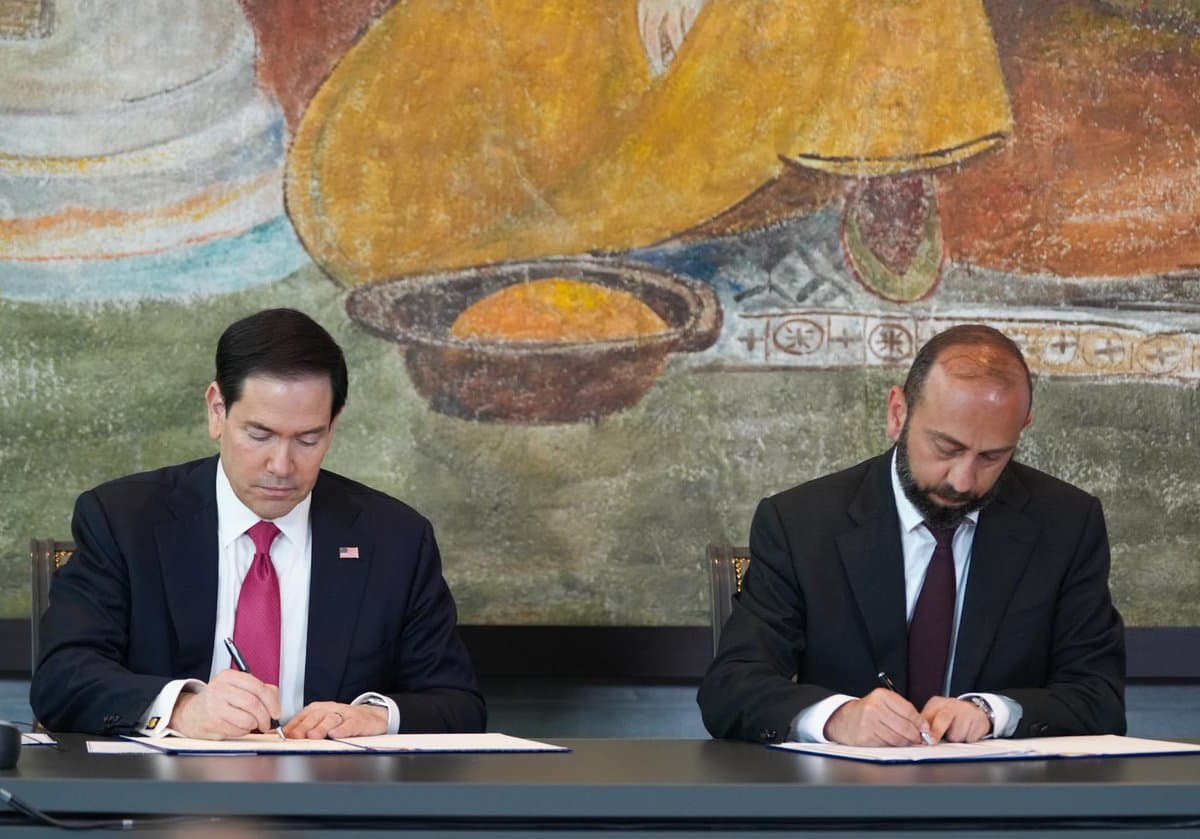
For the United States and Europe, Pashinyan’s victory presents an opportunity, but Western support must go beyond rhetoric. The EU has already offered assistance to help Armenia withstand Russian pressure, while Washington can support investment, infrastructure, and regional connectivity, particularly through the TRIPP corridor, the proposed Trump Route for International Peace and Prosperity across southern Armenia ,and the reopening of borders with Azerbaijan and Türkiye. These initiatives matter because they can give Armenia’s foreign policy shift a material foundation rather than leaving it dependent on diplomatic statements alone.
If these initiatives produce tangible benefits for Armenian citizens, they could help make Pashinyan’s peace agenda more politically sustainable and help reduce Armenia’s dependence on Russia over time. A peace process that delivers economic security will be harder for Moscow-aligned forces to discredit. The path ahead now depends on how Pashinyan utilizes his renewed mandate, and whether Washington and Brussels can help move the process along.