Pashinyan and Mishustin Meet as Russian-Armenian Trade Slides
Recent Articles
Author: Erin Malloy
07/21/2026
 Prime Minister of the Republic of Armenia
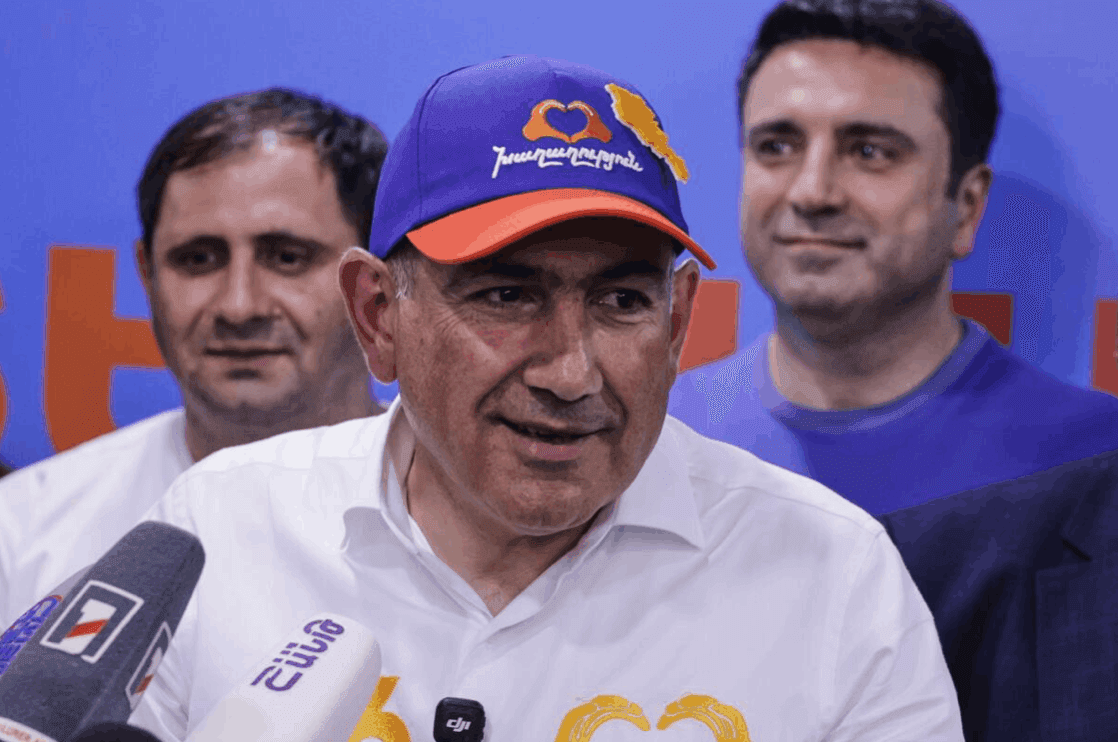
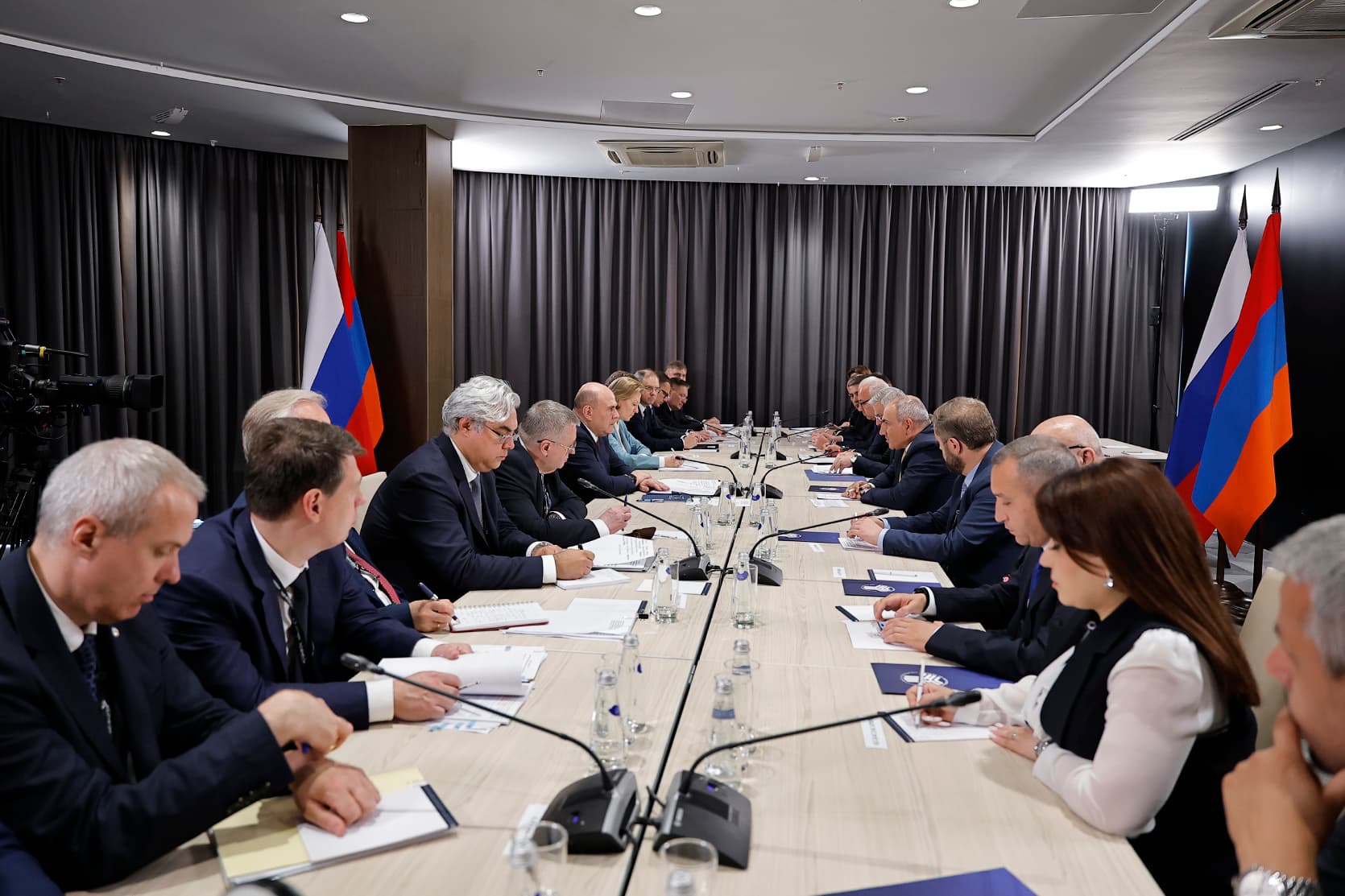
In the midst of a historic trade slump and worsening relations, Armenian Prime Minister Nikol Pashinyan made his first trip since reelection to Russia on July 6. Pashinyan did not meet with Russian President Vladimir Putin, but instead met with Russian Prime Minister Mikhail Mishustin. The prime ministerial meeting took place in Yekaterinburg on the sidelines of the INNOPROM international industrial exhibition and set the stage for the evolving and fragile bilateral relations under Pashinyan’s leadership.
Rhetoric coming from Moscow during Pashinyan’s visit is significantly more cooperative than recent Russian-Armenian relations would suggest, even as Russia maintains hard economic pressure on Armenia. Moscow went to great lengths to prevent Pashinyan’s reelection via import bans, disinformation campaigns, and even deploying proxy voters. Since then, President Putin has not congratulated Pashinyan publicly. Instead, Moscow has undertaken a strategy to improve diplomatic relations and maintain sufficient cooperation with Yerevan, hoping to slow its integration with the West and preserve Russia’s interests in the country.
Following Pashinyan’s visit to Yekaterinberg, Russian Ministry of Foreign Affairs (MFA) spokesperson Maria Zakharova in a July 13 interview framed Russian-Armenian relations as overwhelmingly fraternal. She referred to the “genuine affection” shared by the two countries and the “love” that Moscow has shown Armenia, painting a historical picture of President Putin repeatedly providing “support during difficult periods” and helping to “stop bloody conflicts.” Zakharova’s rhetoric intentionally overlooks one of the principal causes for the recent deterioration of Russian-Armenian relations: Russia’s failure to provide adequate military support for Armenia during the Second Nagorno-Karabakh War in 2020.
Zakharova’s optimistic framing is another example of the gap between Moscow’s fraternally themed public messaging and the foreign policy it is actually carrying out that opposes Armenia’s leader. Such counter-narratives function as a soft-power tactic to ease the political effects of hard economic pressure, like import bans, which is designed to harm Armenia’s economy in response to its pivot West, as well as to focus blame on Pashinyan.
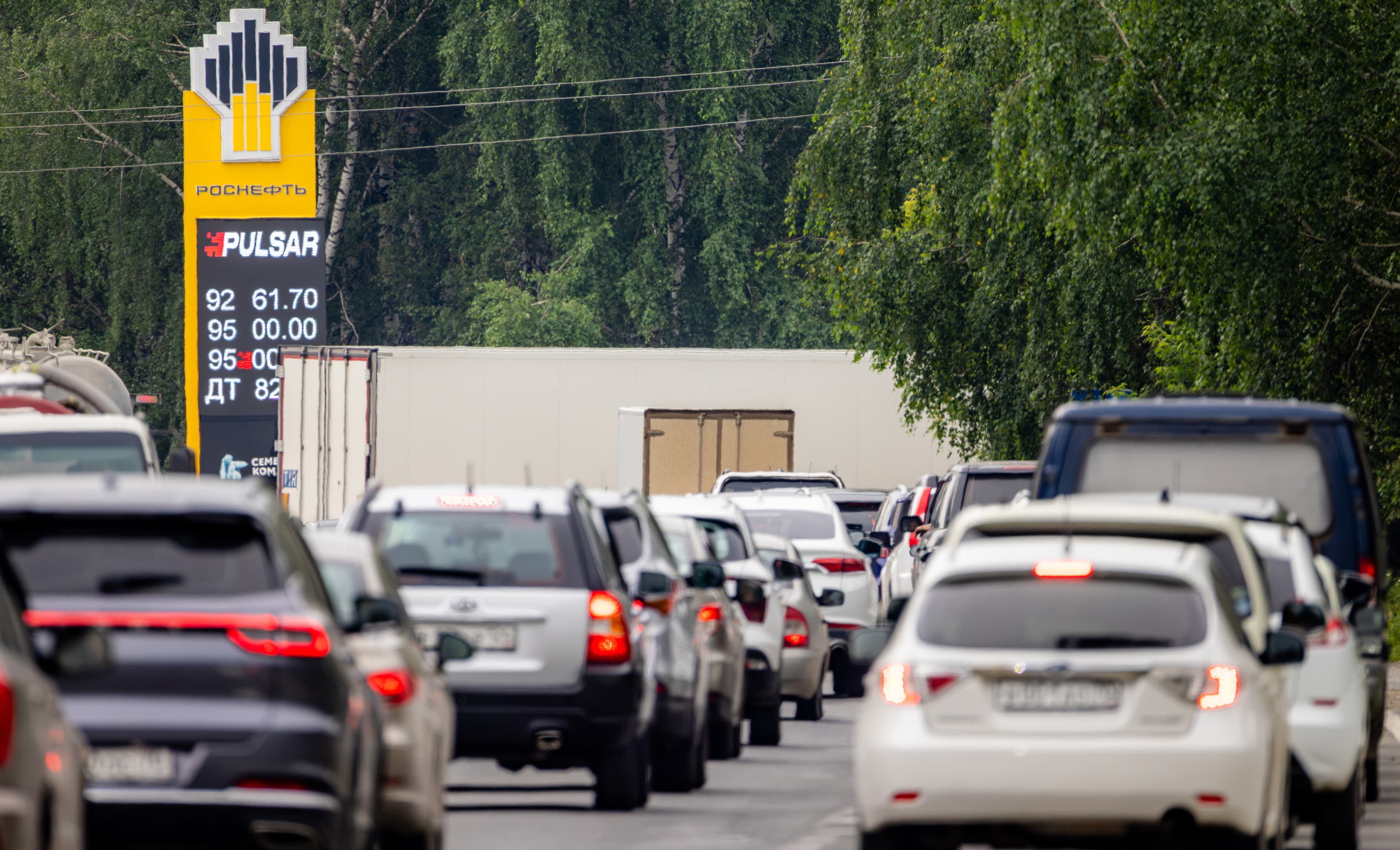
Russian bans on Armenian food imports continue to impact the country’s economy. Throughout 2026, Russia has leveled restrictions on the import of most Armenian food, wine, seeds, fertilizer, and other products, many ostensibly a response to alleged health violations. There also has appeared to be a decline in Armenian re-export of Russian precious metals and gemstones. According to a new report from the Statistical Committee of Armenia, trade between the two countries has dropped by 20.5% in the first five months of 2026 in comparison to the same period last year. Russia remains Armenia’s largest trading partner, but its share of Armenia’s total foreign trade has dropped from 35.1% to 28%.
Pashinyan has set the tone for his new term with cautious yet forward-looking communication with Russia, despite the economic impact of Russia’s trade restrictions and the grievances Armenia has harbored towards the Kremlin in recent years. During his meeting with Mishustin, Pashinyan remained pragmatic, making repeated assurances that positive relations with Russia are a top priority.
Mishustin asserted Moscow’s desire to re-establish positive relations with Armenia, urging Pashinyan to help repair bilateral relations and maintain a “favorable environment for Russian investors” in Armenia. Still, a key point of friction between the two countries resurfaced at the meeting: Armenia’s Eurasian Economic Union (EAEU) membership.
Moscow has repeatedly insisted that Armenia choose between membership in the EAEU and the European Union (EU), as the two alliances are “incompatible.” However, Pashinyan refused to compromise on this point. He pointed out that since EU accession is still a distant prospect for Armenia, it is premature to make a choice between EAEU and EU membership. He reiterated that Armenia still has no intention of leaving the EAEU: “We are interested in ensuring that the mechanisms envisaged by the EAEU Treaty function as intended.”
Armenian officials have also shrugged off Moscow’s interest in participating in the TRIPP project, reminding Moscow that TRIPP is an agreement between Armenia and the United States. Throughout his meeting with Mishustin, Pashinyan maintained a balance between reciprocating Moscow’s proverbial olive branch and avoiding making any concessions. Pashinyan stated that Armenia is “committed to further developing relations with Russia” and hopes to “resolve specific issues” with Moscow through dialogue. In effect, Pashinyan is keeping Armenia’s options open.
Russia’s economic pressure has revealed Armenia’s vulnerability to Moscow’s market dominance. However, Russia’s exploitation of that fragility might, in practice, push Armenia closer to the West as Yerevan seeks trade diversification.
This will not be the first time that this dynamic has played out in the South Caucasus. In 2006, Putin attempted similar embargo pressures on Georgia by restricting exports on Georgian wines and mineral water. Instead of knuckling under, the Georgians sought new export markets for their products, such as in Ukraine, EU countries, the United States, and China. From 2005 to 2012, exports of Georgian wine to the EU more than tripled. Georgia was also forced to improve the quality of its wine exports as it changed production standards and appealed to more demanding foreign markets.
Rather than undercutting Georgia’s economy, Russia in effect pushed Georgia to successfully forge new and profitable trade routes. Armenia might now be on a similar course. Yerevan has already increased its exports to Europe, and the EU has pledged to supply €50 million in aid to Armenia and to remove tariffs from nearly 80% of Armenian imports. Armenia’s rapid turn to the EU suggests that Moscow is already failing to keep Armenia trapped by Russia’s economic leverage. While diversification takes time, Moscow’s food embargo could well be the impetus for Armenia to expand its trade options.