Baku Dialogues: Policy Perspectives on the Silk Road Region
Recent Articles
Author: Dr. Eric Rudenshiold
03/24/2026
 shutterstock.com
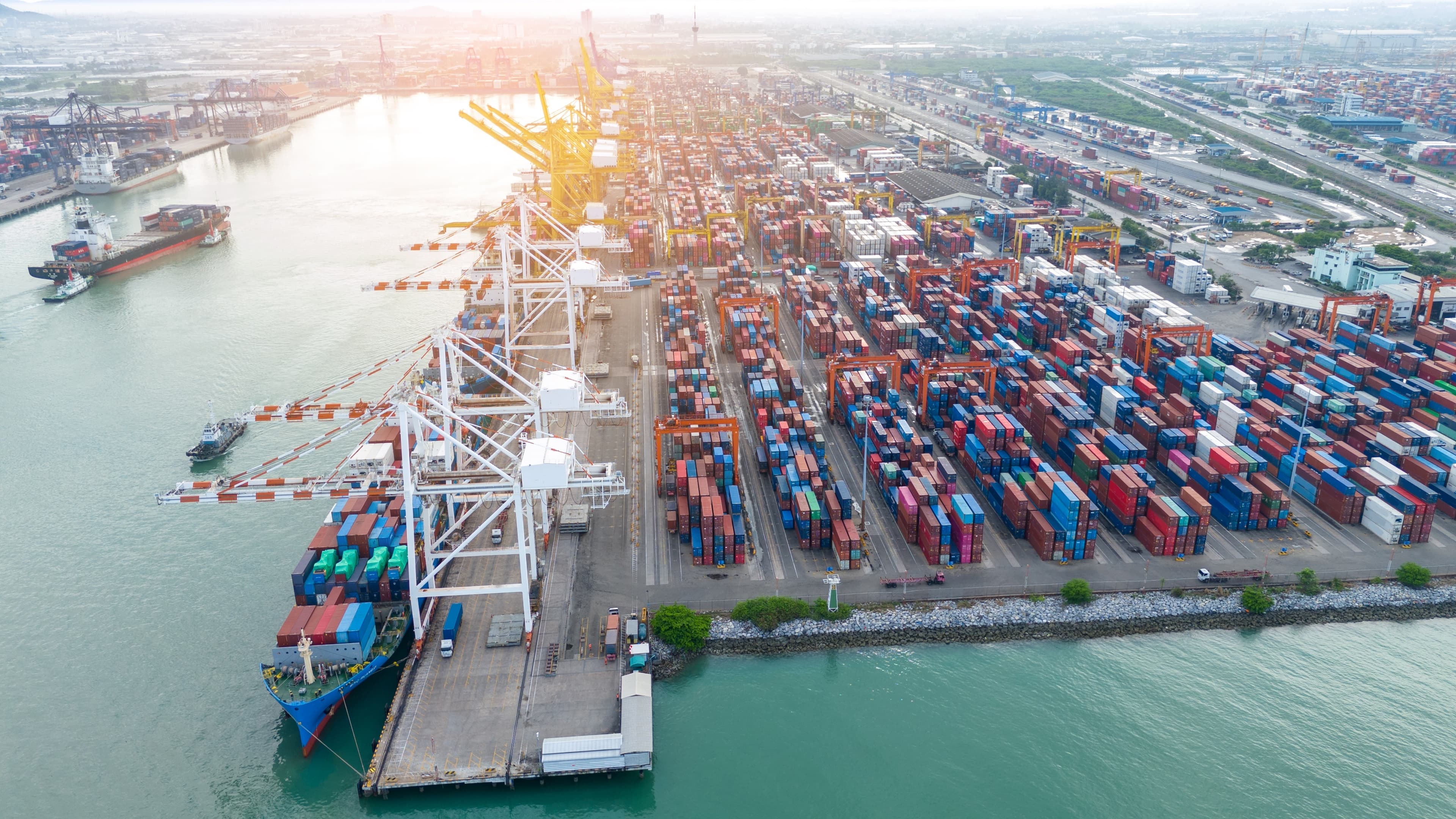
Over the past four years or so, what has been unfolding in Central Asia and the South Caucasus is not simply a shift in trade routing or a reaction to Russia’s war in Ukraine. Instead, it is a deep structural reordering of Eurasia’s political economy that is in parts driven by generational change, unfettered economic ambition, and recalibrations of sovereignty. At the center of this transformation is the Middle Corridor, stretching from Central Asia across the Caspian and through the South Caucasus to Türkiye and Europe. Once a peripheral notion, it is now central to the entire region's growth. By providing reliable access to global markets, it enables regional states to capture more value, attract investment, and reduce vulnerability to price and policy shocks. More fundamentally, the region’s role in critical mineral markets, uranium, copper, gold, and rare earths is gaining widespread investor attention. In 2026, Central Asia and the South Caucasus need to continue consolidating into a single, strategic space that is fused by infrastructure, aligned by incentives, and shaped by shared agency.
This essay is derived from a piece that was published in the Winter 2025-2026 edition of the Baku Dialogues, developed from the author's December 2025 speech at the Danube Institute.