Energy Security and Navigating New Realities
Recent Articles
Author: Caspian Policy Center
12/05/2025
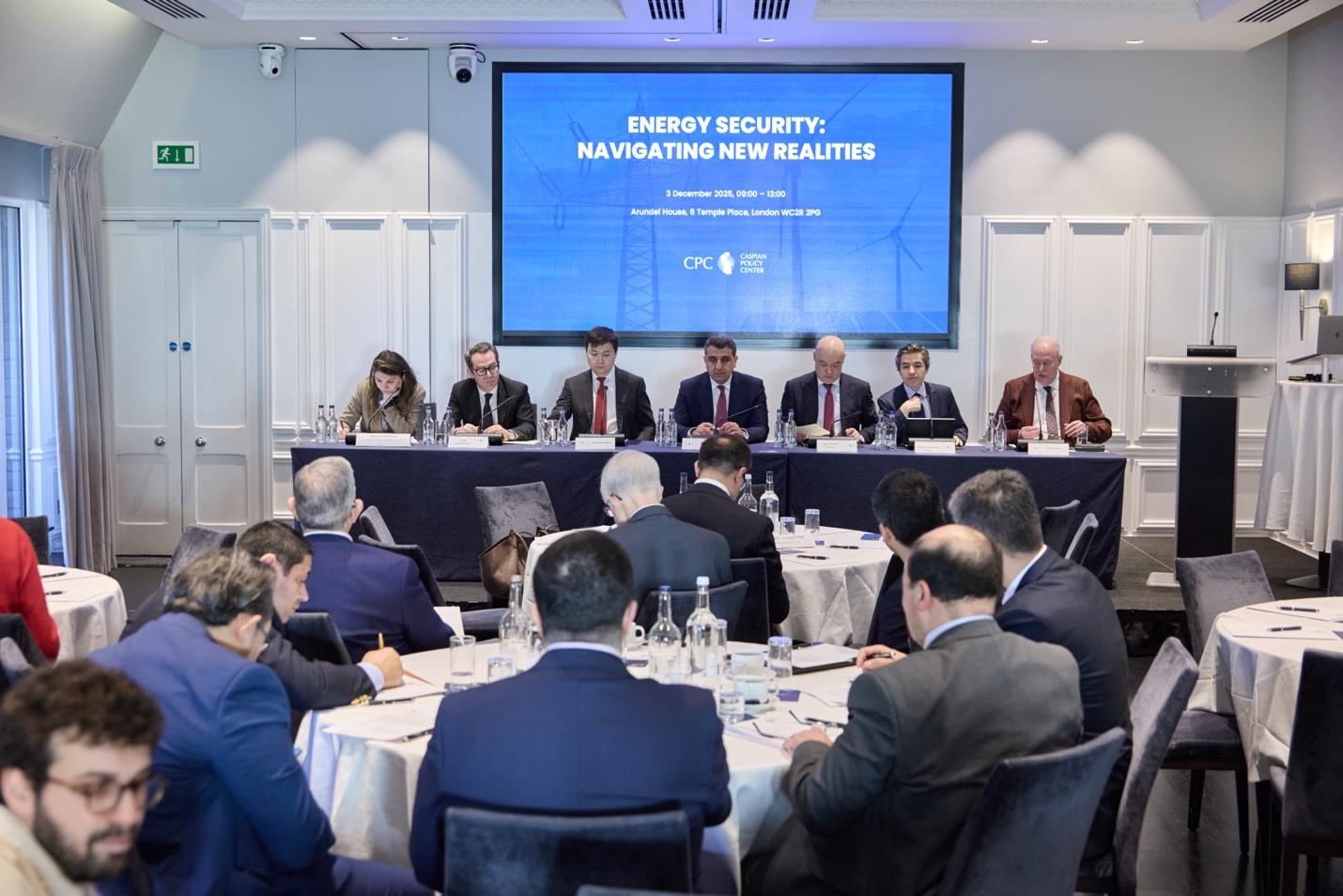
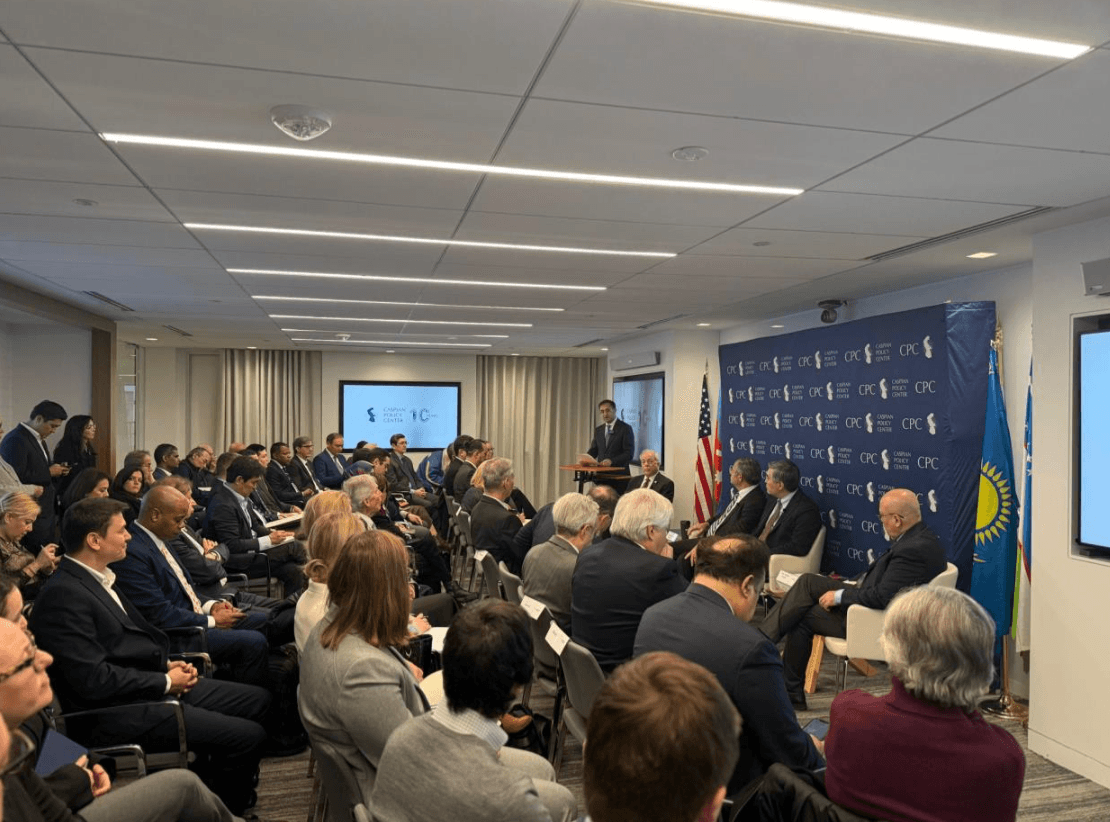
London, December 3 – Today, the Caspian Policy Center (CPC) held its “Caspian Energy Security: Navigating New Realities” Conference in London. The event brought together prominent voices from the United Kingdom, the European Union (EU), Caspian countries, and energy and climate experts to discuss evolving energy security challenges across the regions. A significant focus of the discussions was on how, while the global energy transition is accelerating, fossil fuels will continue to play a major role for decades, even as the Caspian region emerges as a key hub for both traditional and renewable energy, new transit routes, and digital connectivity.
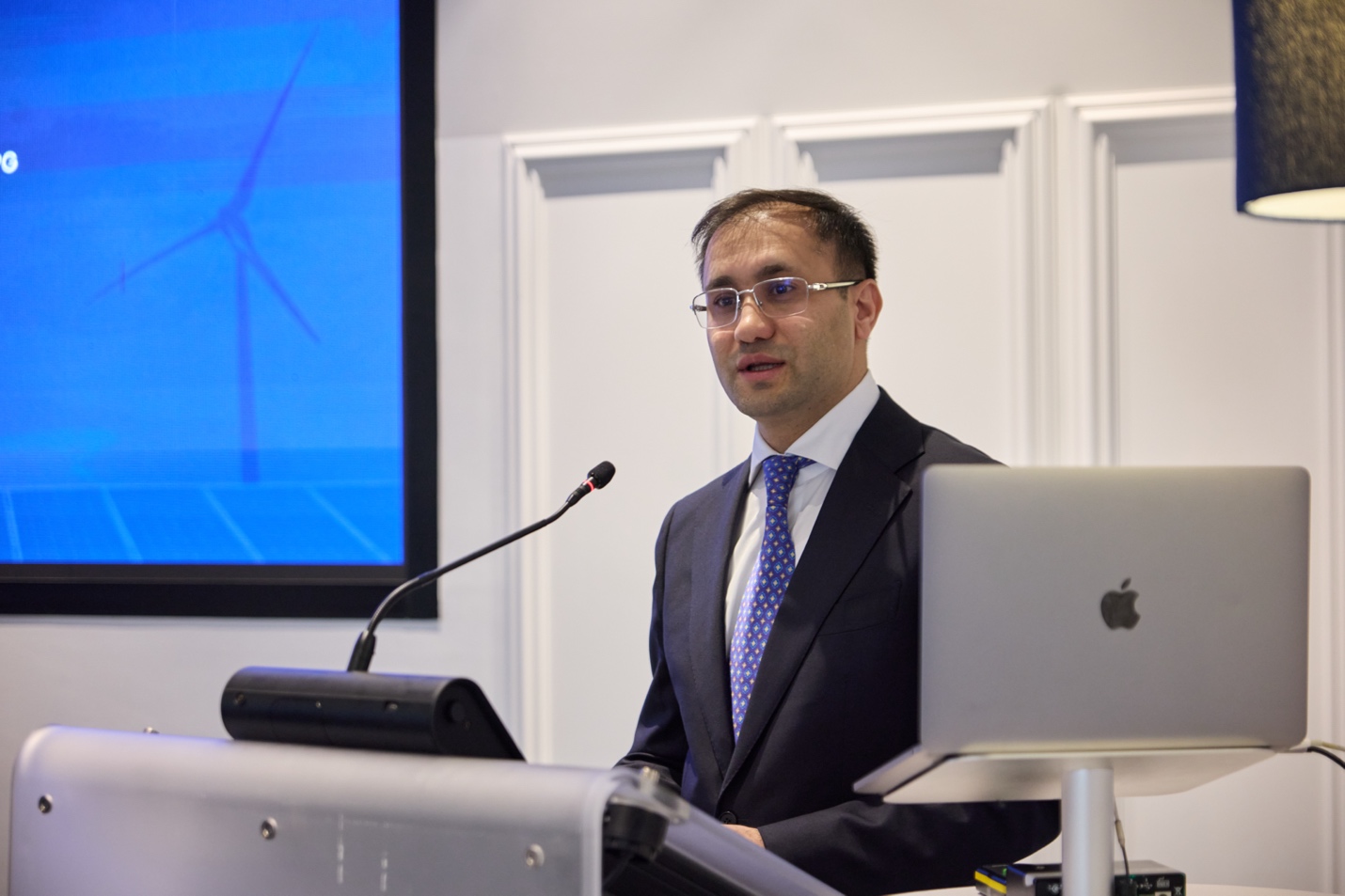
Efgan Nifti, President of the CPC, welcomed participants and guests while underlining the importance of the South Caucasus and Central Asia to world markets and supply chains. Nifti noted, “The Caspian region has gained unprecedented relevance in global energy markets with its vast oil and gas reserves and immense renewable energy potential. The disruption of traditional supply routes between Russia and Europe has intensified the role of Caspian states in diversifying hydrocarbon exports.”
The CPC President highlighted the Caspian region’s growing role in clean energy, particularly wind and solar power. “For the first time, Central Asian wind and solar power are being positioned not just for domestic use but also as future clean-energy supply to European markets,” Nifti said.
Nifti also discussed the growing regional connection and cooperation that has been occurring within the Caspian region, particularly the recent decision by the Central Asian countries to add Azerbaijan to the C6 format at the C5 summit in Tashkent. “This move is a huge step forward in building a strong bridge between Central Asia and the South Caucasus and enhancing connectivity across the Caspian,” he noted.
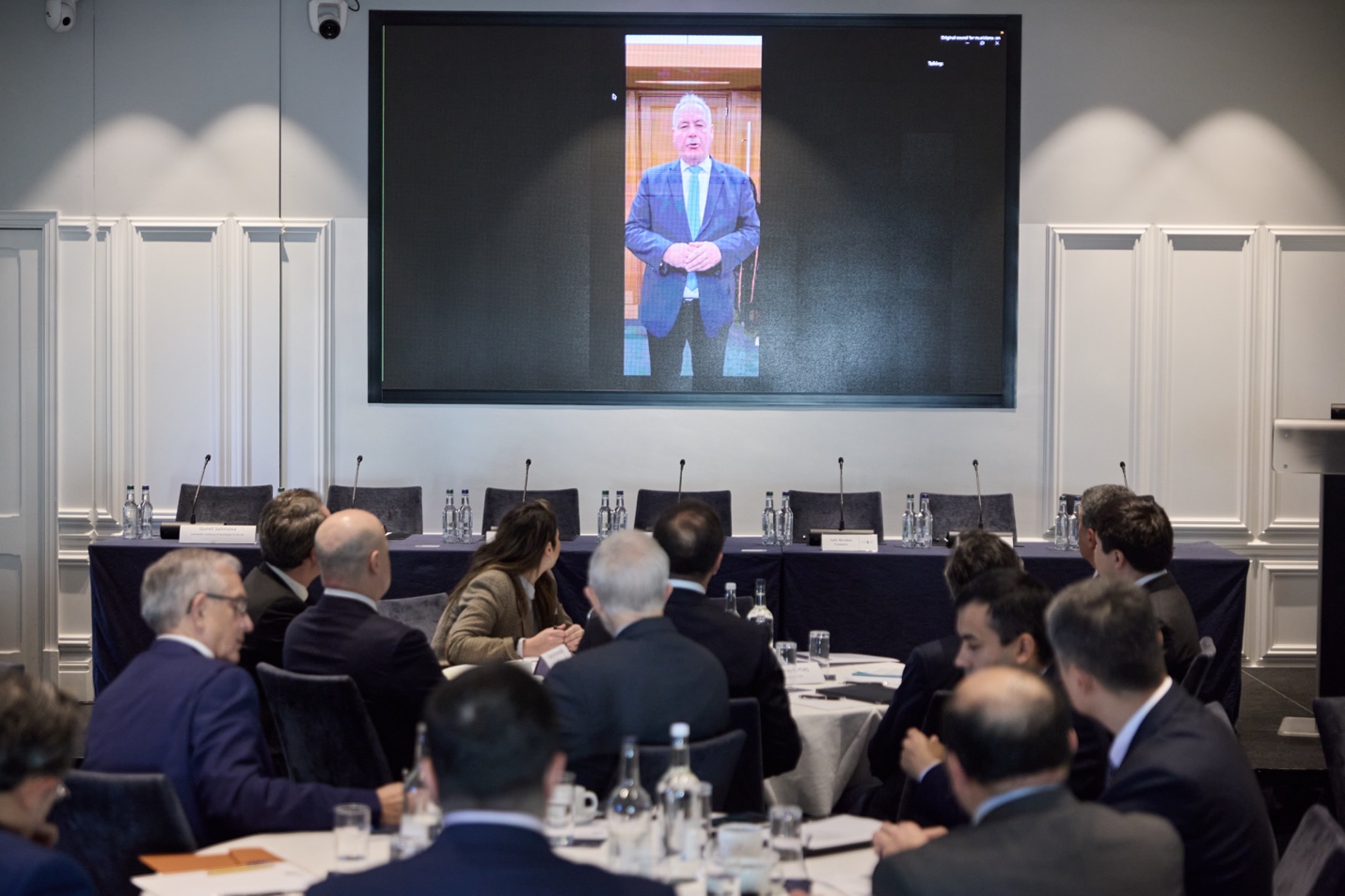
In a video keynote address, Bob Blackman, CBE MP, Chair of the All-Party Parliamentary Group for Azerbaijan in the UK Parliament, set out the UK perspective on global energy security. “It’s important that we understand energy security and how we bring that not only to the UK but across the world,” Blackman said.
“At the moment, the demand for energy is increasing all the time—not only for renewables such as solar, wind, and hydro, but also for oil and gas. We also know that global temperatures are increasing, and, unless action is taken, they will reach an unsustainable level,” Blackman said.
Blackman went on to highlight the Caspian region’s vast energy potential and how that potential can be used to help meet European and global energy needs in a sustainable manner. “We must look at how we transform the Caspian Sea’s opportunities, not just in oil and gas, but also in the use of wind power. Of course, we know there are fierce winds in the Caspian Sea that can be harnessed for that power to be utilized across Asia and into Europe.”
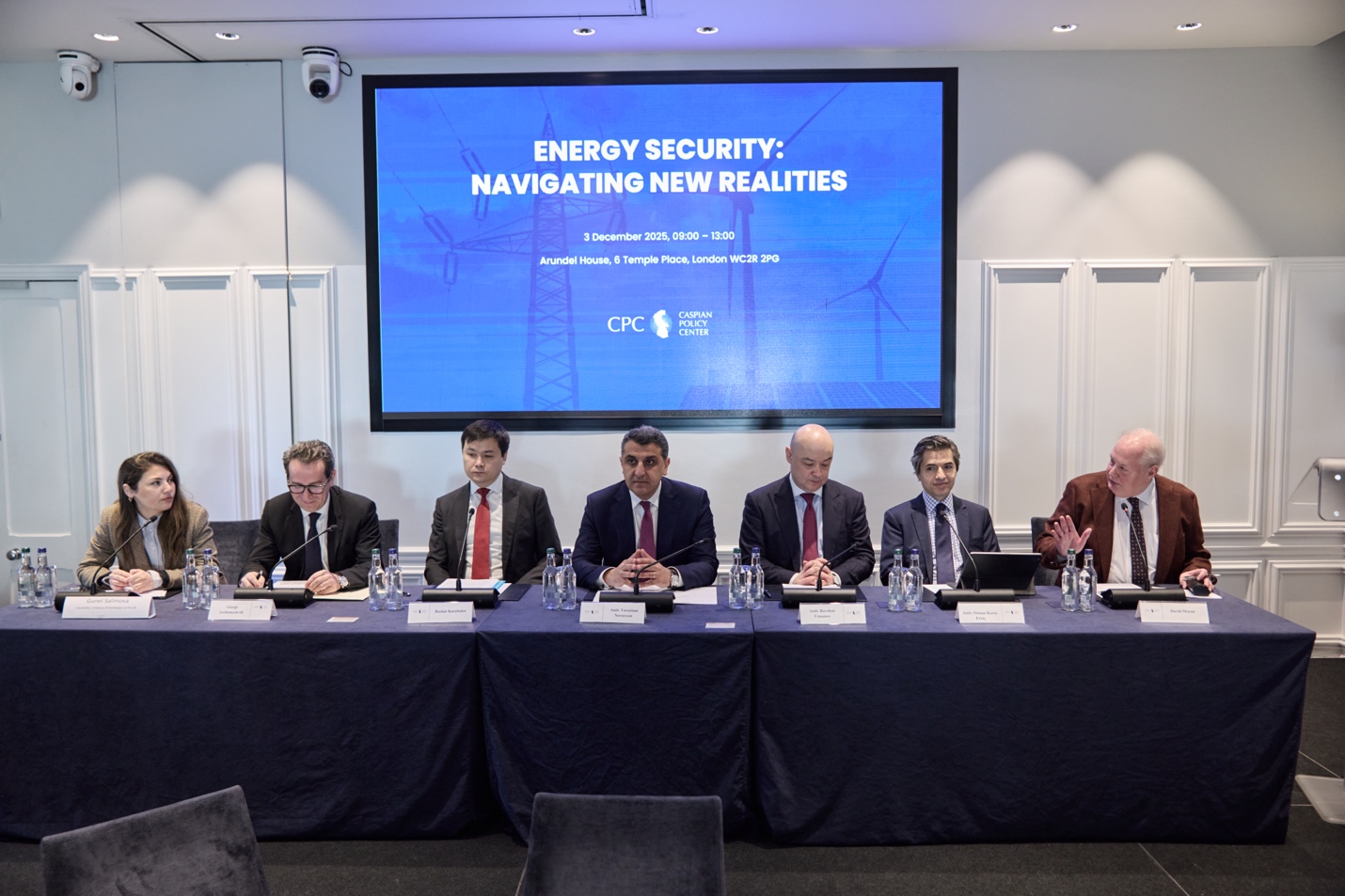
Following the keynote address, David Moran introduced the ambassadorial panel, which included remarks from the Ambassadors of Türkiye, Armenia, and Uzbekistan, as well as the Chargé d’affaires of Kazakhstan and Georgia to the UK and the Counsellor at the Embassy of Azerbaijan to the UK.
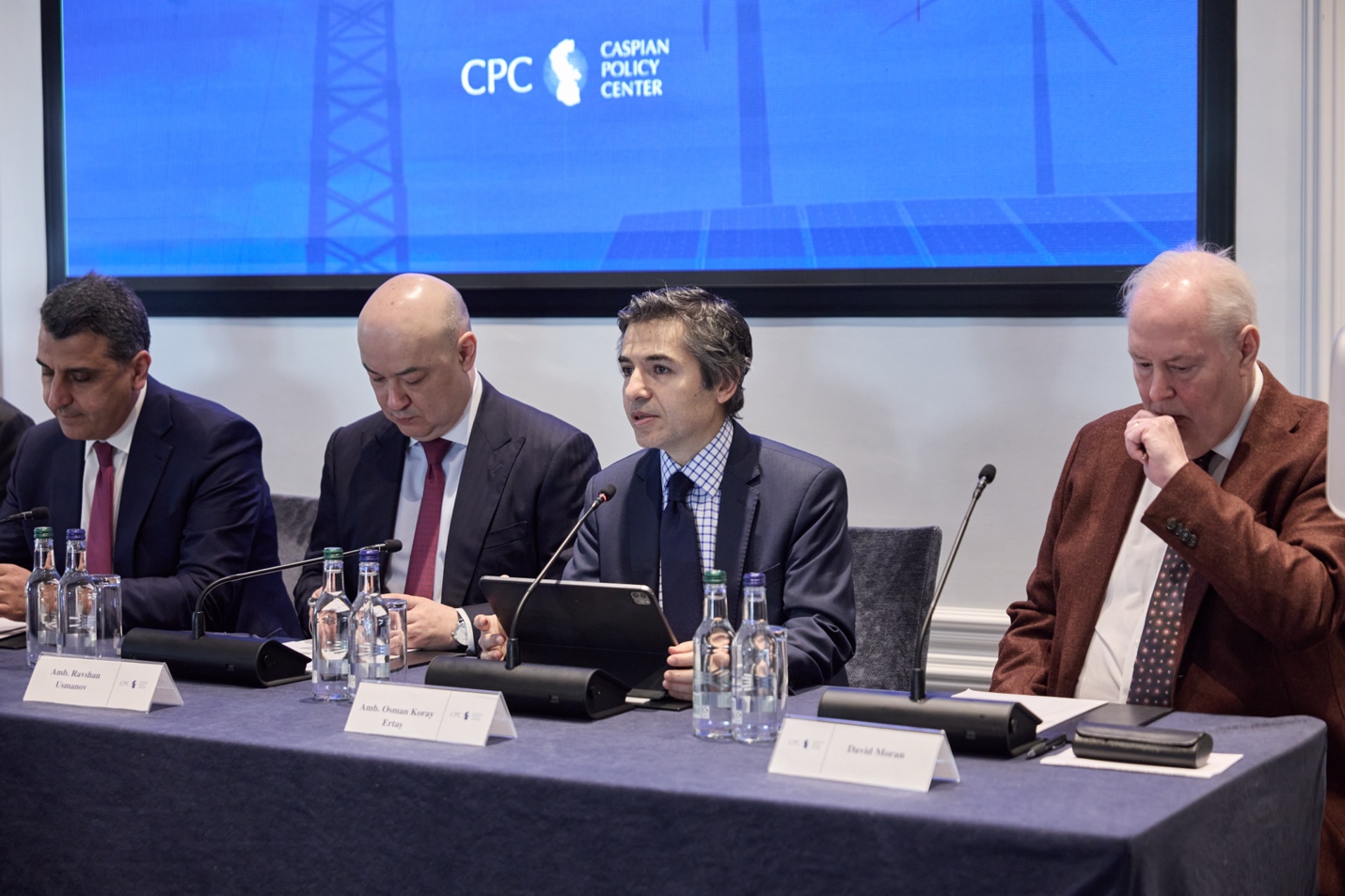
Osman Koray Ertaş, the Ambassador of Türkiye to the UK, underlined Türkiye’s role as both an energy transit hub connecting Europe, the Caspian region, and the Middle East. “We have made major investments in green transformation, expanded our storage capacity, diversified our energy sources, and invested in domestic onshore and offshore resources, including in the Black Sea.”
“We have already been a reliable energy partner in our larger region—Caspian Basin, the Middle East, and Europe—with major projects such as TANAP, TAP, and the Southern Gas Corridor. These relationships are not one-off arrangements but part of a strategic realignment of energy corridors,” Ambassador Ertaş added.
Ambassador Ertaş also highlighted Türkiye’s strong renewable energy capacity: “Sixty-one percent of our installed capacity is renewable. This makes us fifth in Europe and eleventh in the world in renewable energy.”
Looking ahead to Türkiye hosting COP31 in the city of Antalya next year, Ambassador Ertaş said that Türkiye plans to use its’ unique position between East and West to “act as a bridge between the Global North and South.”
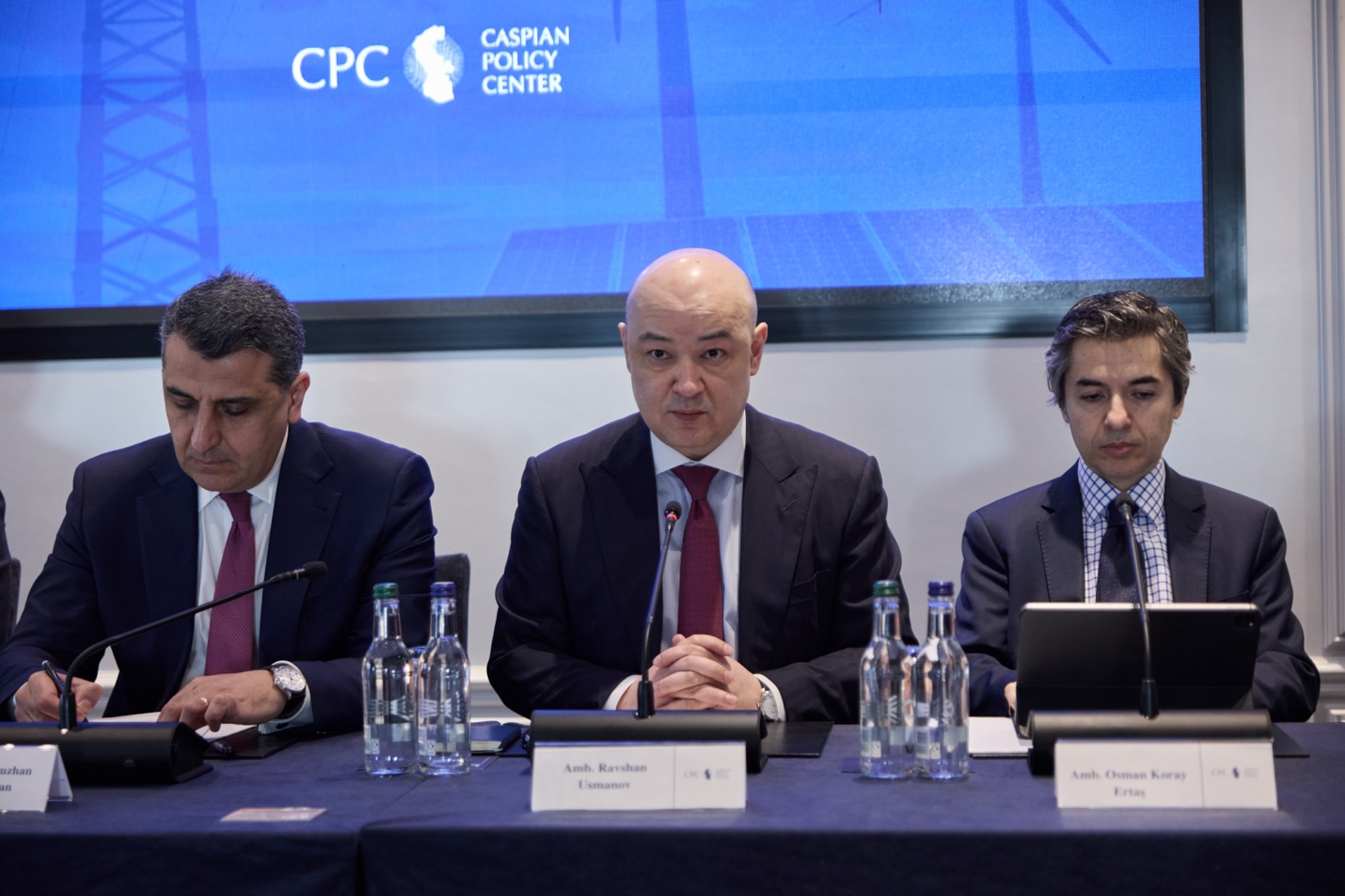
Ravshan Usmanov, Ambassador of Uzbekistan to the UK, highlighted Uzbekistan's rapid economic and population growth and increasing energy needs as a result. “Uzbekistan assigns the highest priority to ensure energy security. As our economy expands and our population grows, so too does the demand for reliable, safe and sustainable energy to meet those rising needs,” he said.
Ambassador Usmanov further stressed Uzbekistan’s significant potential in renewable energy, adding: “My country possesses immense energy potential—500 gigawatts in solar, 100 gigawatts in wind, and 10 gigawatts in hydropower. Unlocking even a portion of this capacity will transform Uzbekistan’s energy landscape and contribute meaningfully to regional stability and global decarbonization.”
Ambassador Usmanov also highlighted Uzbekistan’s collaboration with Kazakhstan and Kyrgyzstan on the Kambarata-1 hydropower project and the significant benefits that the project can bring the Caspian region. “Our cooperation with Kazakhstan and Kyrgyzstan on the Kambarata hydropower plant is a 4.2 billion USD project that symbolizes growing regional confidence and cooperation. Kambarata-1 is not only an economic undertaking; it is a green energy project that will expand renewable capacity and improve water management across our region.”
Varuzhan Nersesyan, Ambassador of Armenia to the UK, spoke about the potential benefits of Armenia’s recently signed peace agreement with Azerbaijan and the establishment of the Trump Route for International Peace and Prosperity (TRIPP), Ambassador Nersesyan noted that the TRIPP “will not only reconnect Armenia and Azerbaijan, but it will create economic opportunity, support energy cooperation, and deliver peace dividends across the South Caucasus and Central Asia.”
“The route will also allow for energy systems to function more reliably across the borders. Stable routes enable the movements of equipment for renewable projects, support the modernization of grids and extension of pipelines, and make it possible to transit energy where it's needed. In this way, the Trump Route becomes a strategic enabler to diversify energy supply, regional market integration and ultimately a more peaceful and resilient energy landscape,” Ambassador Nersesyan added.
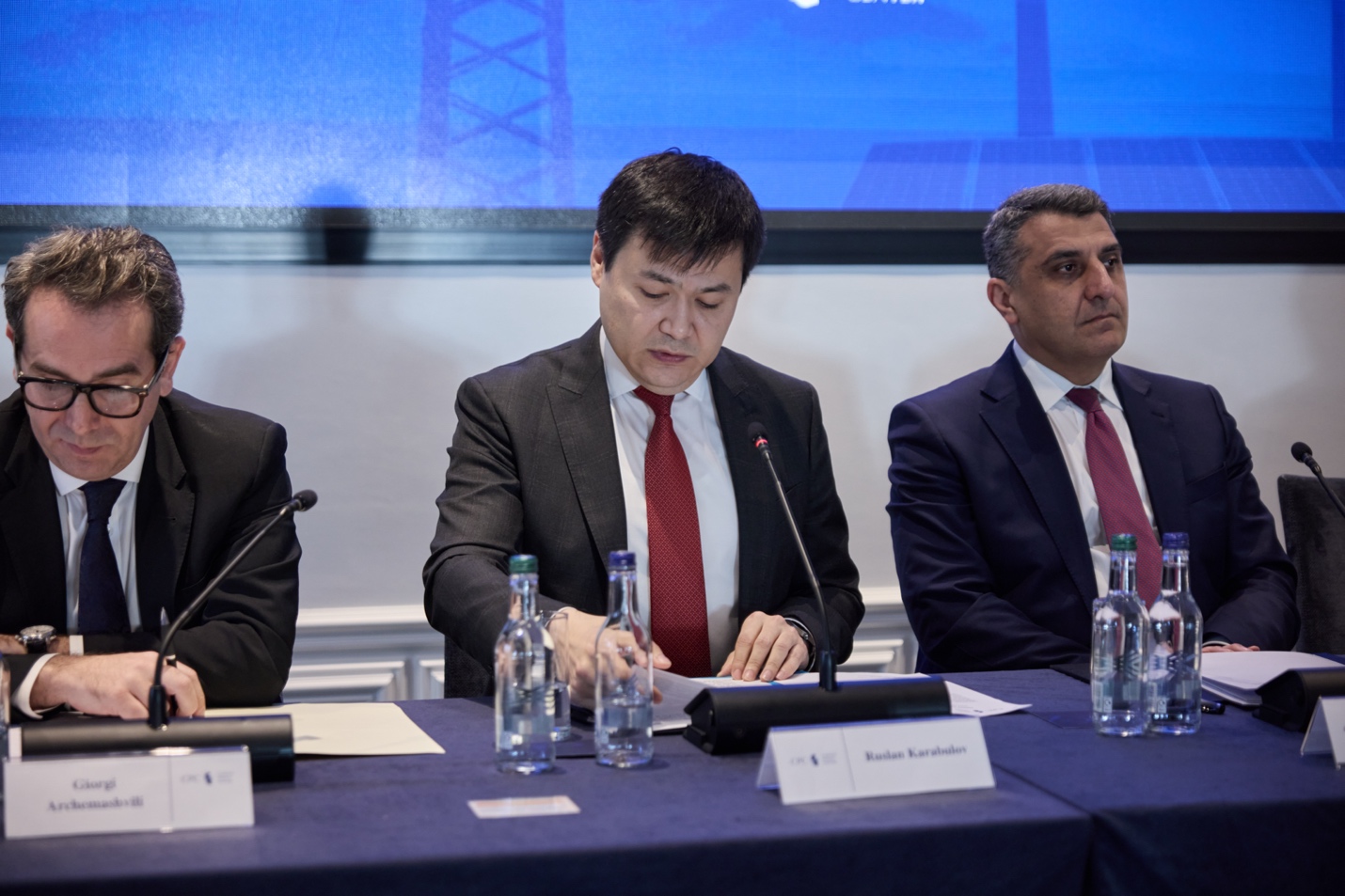
“As a responsible nation, we are committed to achieving net zero emissions. Renewables currently account for over 6% of Kazakhstan electricity generation surpassing our 2025 target ahead of schedule. By 2030 we aim for 15% and by 2050 for 50%,” said Ruslan Karabulov, Chargé d’affaires of Kazakhstan to the UK, about Kazakhstan’s investment in the green energy transition.
However, Karabulov also noted that “while renewables shape the future, oil remains essential today as the world’s primary energy source.” He noted that Kazakhstan holds around 30 billion barrels of oil reserves, ranking among the top 15 oil rich countries. “Our oil remains an integral part of the global energy security mix. And in 2024 we became the third largest oil supplier to the European Union, providing 11.5% of its oil inputs,” Karabulov added.
Speaking on Kazakhstan’s growing role as an energy supplier to Europe through the Trans-Caspian Corridor, Karabulov said: “We are expanding the Trans-Caspian Corridor as an alternative route for energy delivery to Europe. In 2024 we increased shipments to 1.42 million tons, with plans to expand to over 2 million tons, potentially paving the way for a new Trans-Caspian pipeline project with European partners.”
Chargé d’affaires of Georgia to the UK Giorgi Archemashvili highlighted Georgia’s role as an important energy transit hub. “For decades, Georgia has been the key link in major regional energy corridors, including the Baku–Tbilisi–Ceyhan oil pipeline, the South Caucasus gas pipeline, and the Southern Gas Corridor.”
“The Southern Gas Corridor via Georgia is among the most effective and immediate ways to reduce Europe’s dependence on Russia’s energy resources,” Archemashvili noted.
He also stressed the importance of the Black Sea Submarine Cable project for facilitating the transit of green energy to European markets. “Laying the Black Sea submarine cable is an initiative of strategic importance, forming the foundation of a new green energy corridor,” he said.
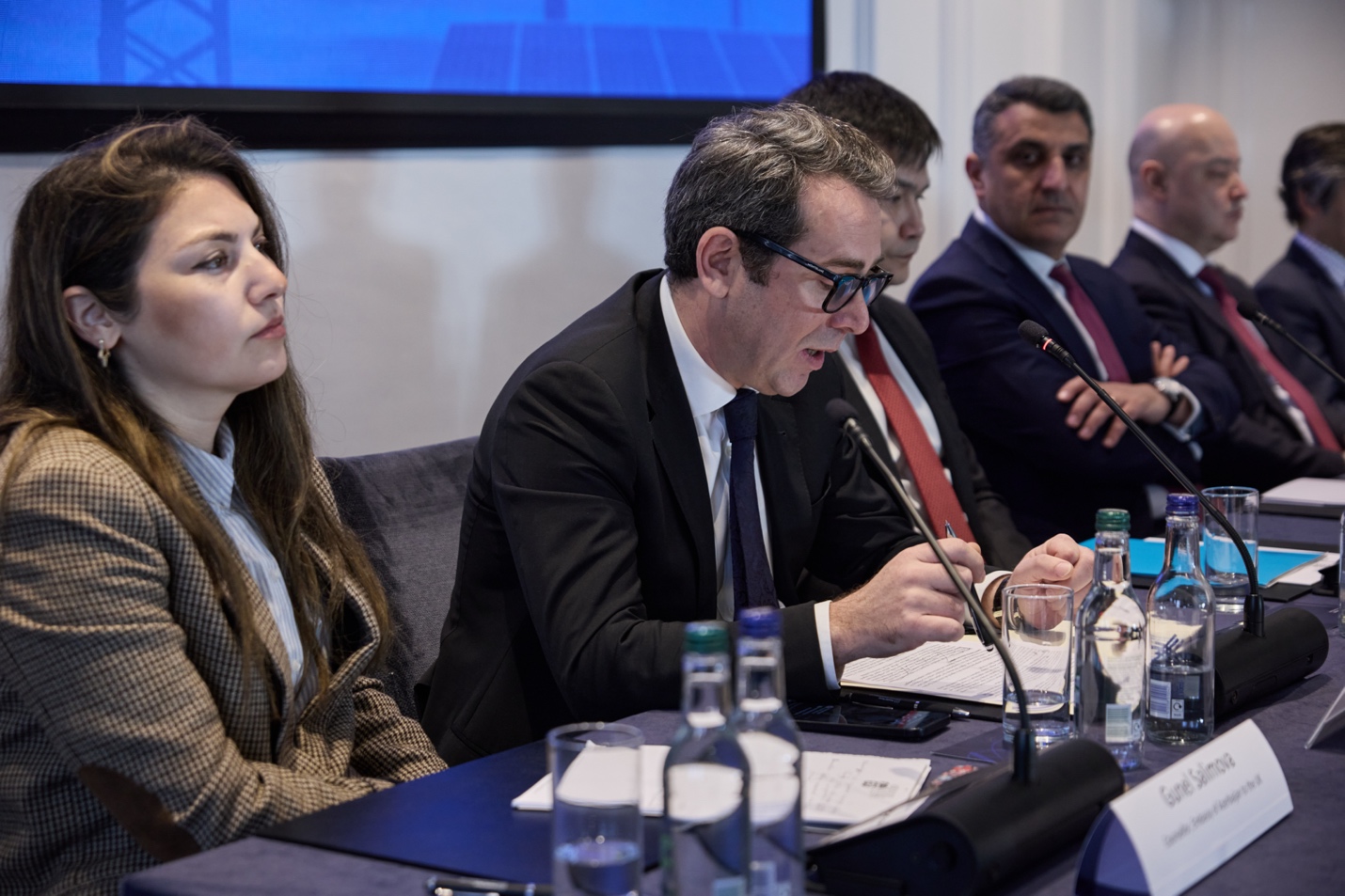
“Azerbaijan has always played a major role in energy security and European energy security,” said Gunel Salimova, Counsellor for the Embassy of Azerbaijan to the UK, noting that Azerbaijan is currently exporting natural gas to 12 European countries (eight of which are EU member states)
Discussing Azerbaijan’s vision for helping transport green energy from Central Asia and the Caspian Sea to Europe, Salimova said that Azerbaijan currently has four interconnected projects—the Caspian-Black Sea-Europe, Central Asia-Azerbaijan, Azerbaijan-Turkiye, and Azerbaijan-Georgia-Bulgaria—already under feasibility studies. “Azerbaijan is envisioning how to take green energy from Central Asia and the Caspian to the European region,” she said.
Salimova also discussed Azerbaijan’s plans to become a digital hub as part of the Digital Silk Way, which aims to establish a digital telecommunications corridor between Europe and Asia. She noted that “Azerbaijan aims to be a regional hub for the Digital Silk Way, supported by cheap electricity and favorable climatic conditions in our northern regions.”
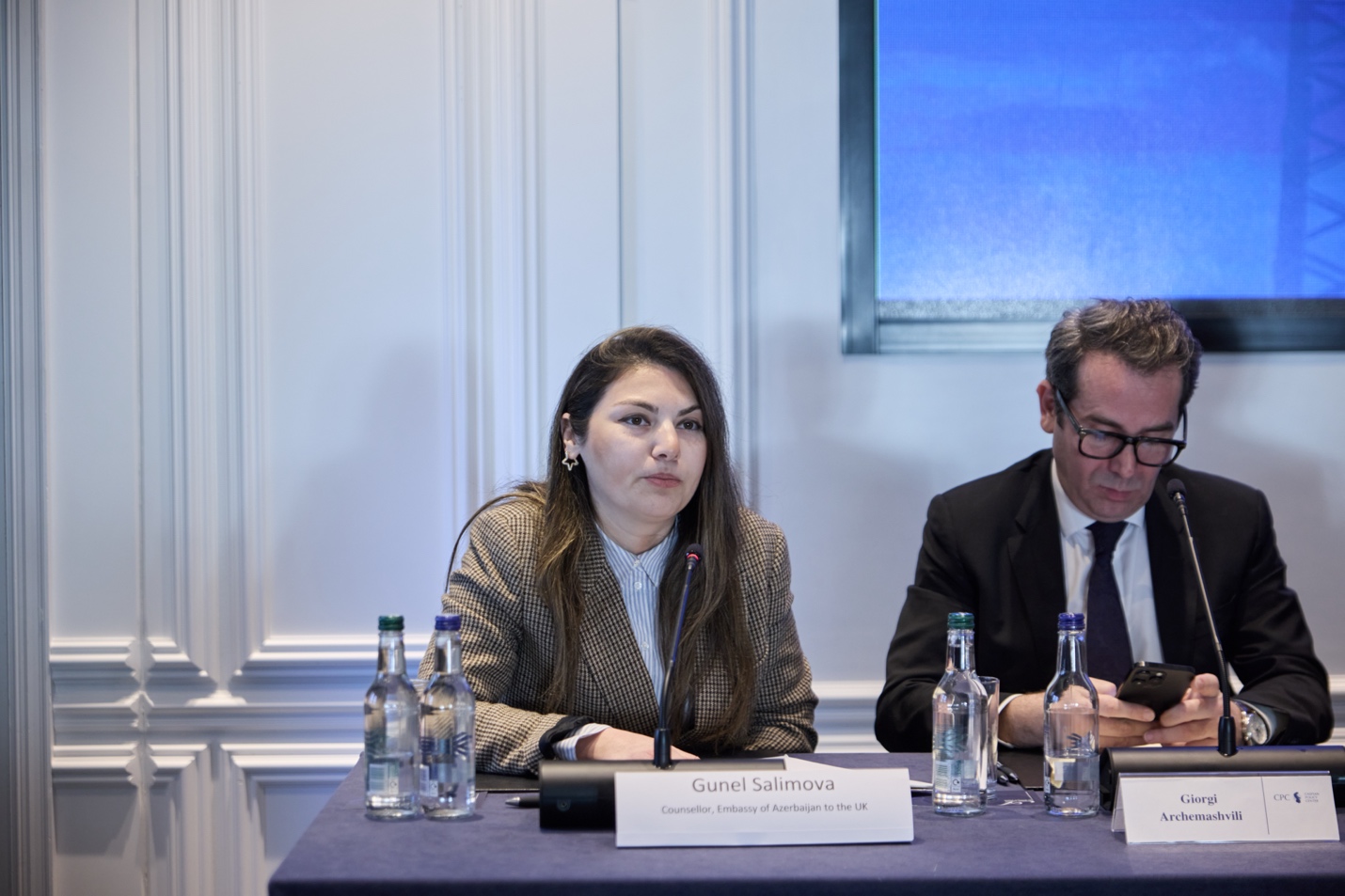
Salimova also highlighted the TRIPP Corridor’s key role in enhancing regional connectivity and facilitating the reopening of vital transport routes.
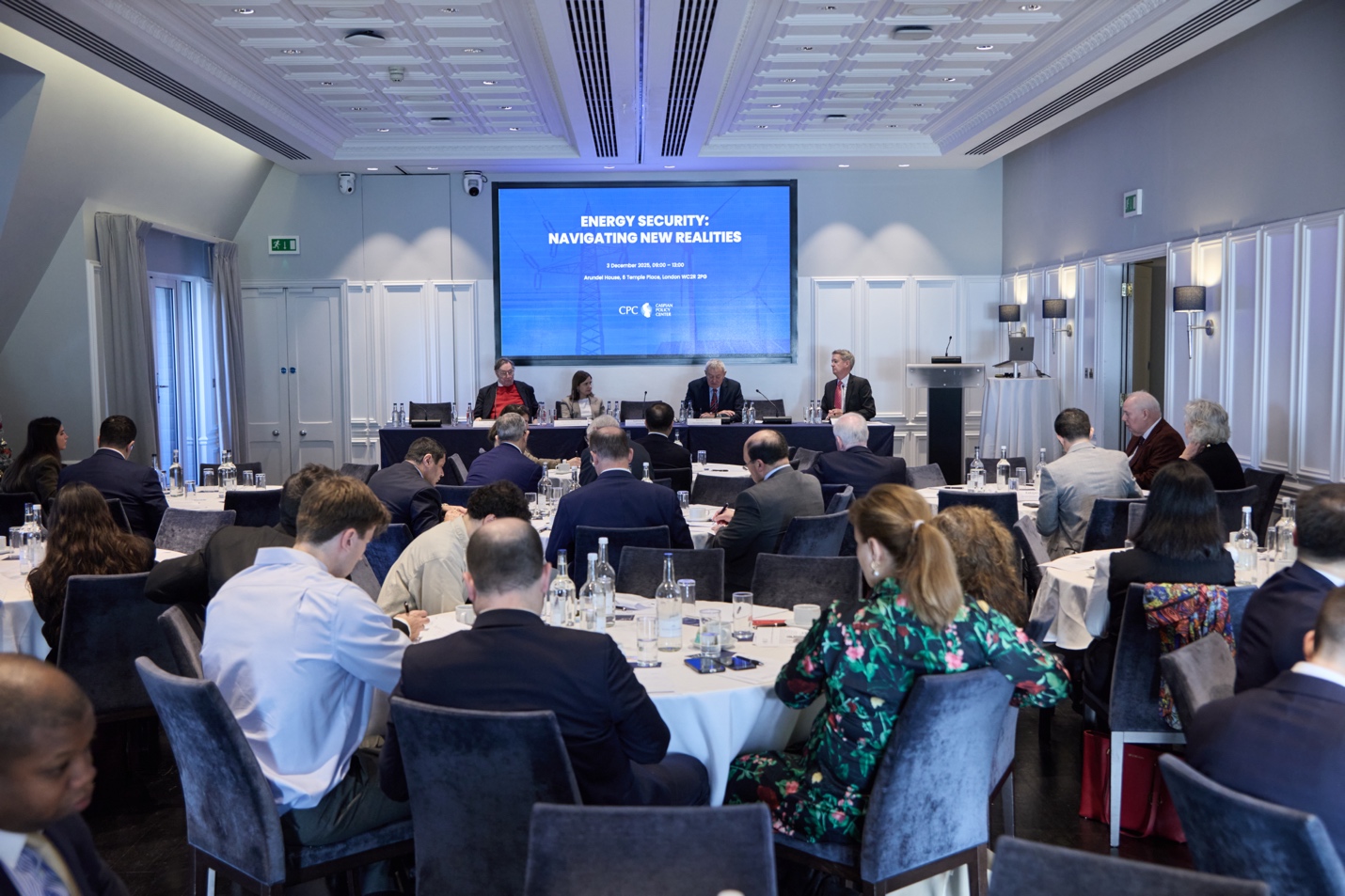
The next panel focused on European and Caspian energy challenges and developments and was moderated by CPC board member James Sharp. Speakers Included: John Roberts, Energy Security Specialist at Methinks Ltd; Dr. Roger Kangas, Professor of Central Asia Studies at Georgetown University’s Near East South Asia Center for Strategic Studies, and Veronika Krakovich, Regional Head for Energy at the European Bank for Reconstruction and Development (EBRD).
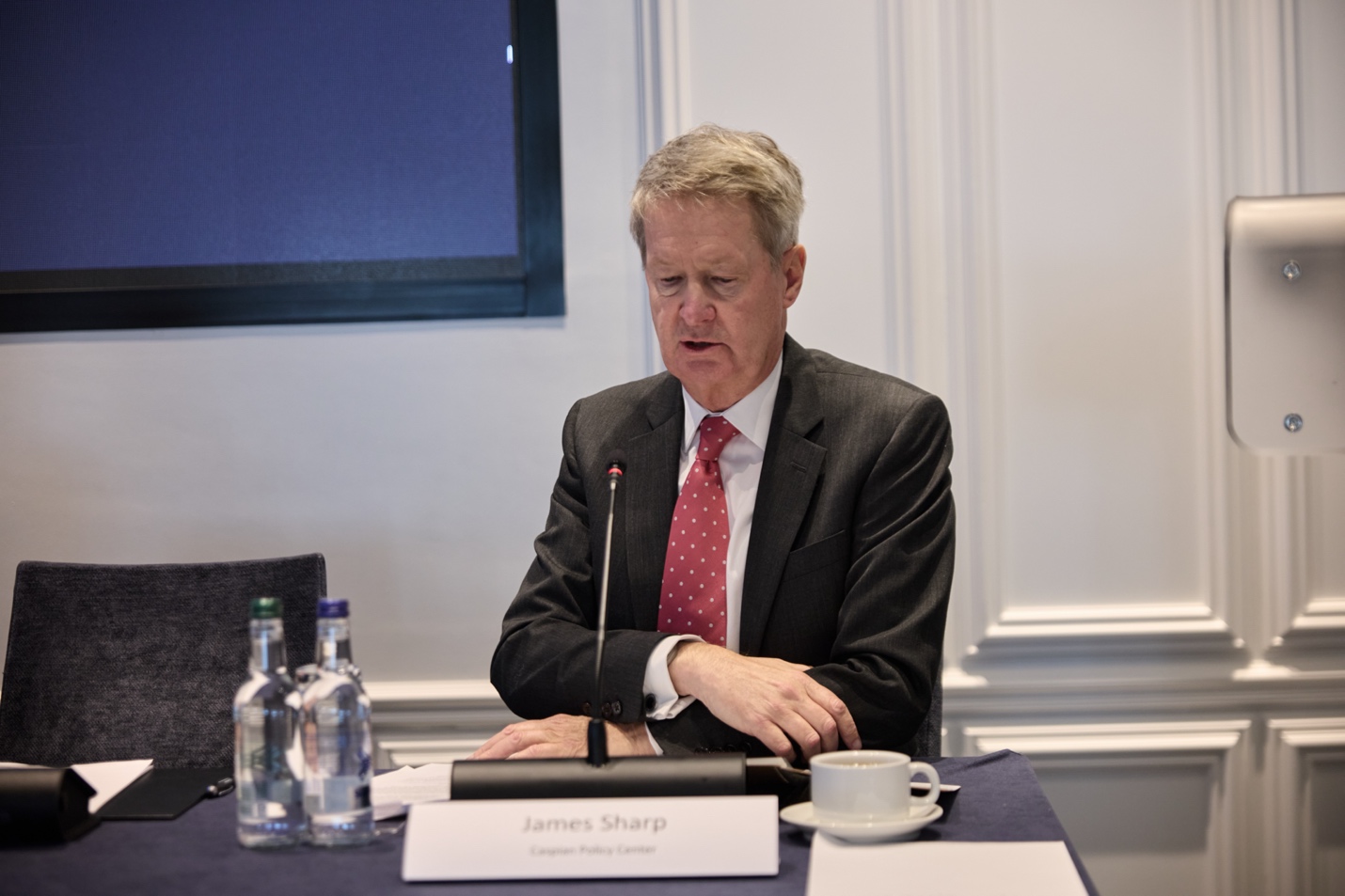
James Sharp, member of CPC’s advisory board, kicked off the panel by stressing that energy security means different things to different countries. “For the UK Government, energy security is largely defined as building up renewables so we don’t have to import from overseas. For the European Union, the focus is the Green Deal, plus other measures,” Sharp said.
“So, for both of those, one of the main goals is not just energy security, but also tackling climate change. But for some EU countries, of course, energy security needs to be about replacing Russian oil and gas. Consumers and businesses especially are looking for reliable energy supplies that are affordable, and we are seeing some tensions in recent years in the UK given high energy costs that some are facing,” he added.
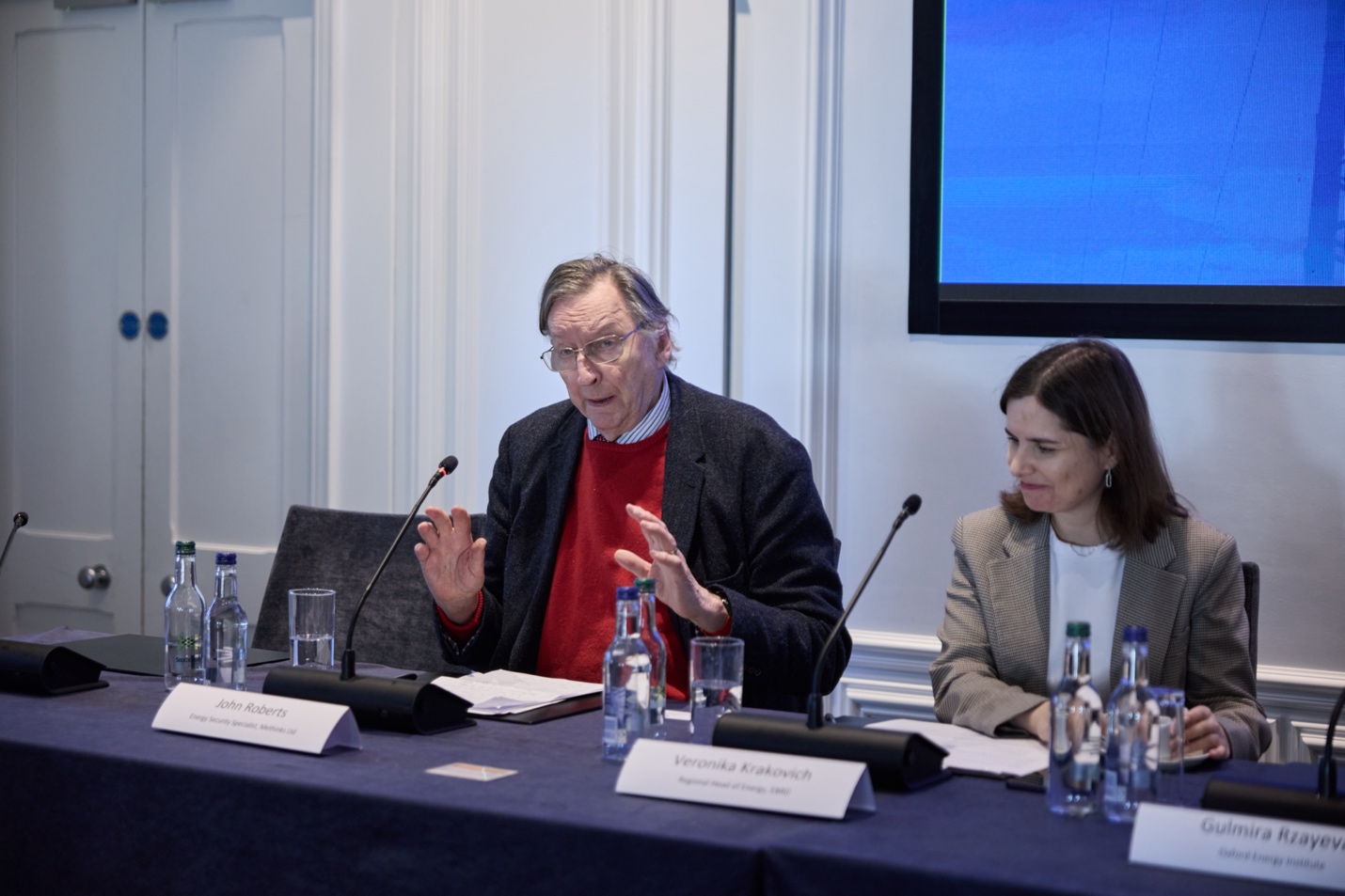
In light of Russia’s invasion of Ukraine, Europe, including the UK, worked hard to increase energy efficiency, speed the transition towards renewables and diversify sources. Looking ahead on the energy transition path forward, John Roberts, Energy Security Specialist at Methinks Ltd, agreed that the situation “has never been more critical, which means whatever alternative resources can come into play become ever more crucial.”
Roberts spoke on Azerbaijan’s pursuit of a “twin-track policy to double its deliveries to mainstream Europe through the Southern Gas Corridor, and also to start very serious electricity exports based on renewable energy production.”
“Azerbaijan is playing a crucial part in gas provision, and that role is needed for several more years, until and maybe even beyond becoming mainstream in the Black Sea,” Roberts emphasized.
Roberts then discussed the proposed Caspian Green Energy Corridor to Europe via Azerbaijan, stating that Azerbaijan has more than 150 gigawatts of potential offshore wind — but harnessing it requires developing an entire manufacturing industry for components too large to transport except by ship. “Renewable deliveries to Türkiye can start fairly soon, but deliveries to Europe are a much longer-term proposition — complex, but achievable,” he added.

Michael Ritchie, Editor of Nefte Compass at Energy Intelligence, spoke about his recent visit to Turkmenistan for the 30th anniversary of the “oil and gas of Turkmenistan” conference in Ashgabat. Discussing Turkmenistan’s energy challenges, he said: “Turkmenistan is blessed with the fourth-largest gas reserves in the world, and we often hear of that Turkmenistan is fortunate to sit at the crossroads of Central Asia, Europe, and the Middle East. The reality is slightly different. To the north Russia doesn’t want or need more gas; to the west the hurdles of crossing the Caspian look insurmountable; China to the east appears to have sated its appetite; and to the south lie further geopolitical challenges.”
Ritchie also discussed two aspects that dominate the energy scene in Turkmenistan: the Galkynysh Gas Field, the world’s largest onshore gas field; and the TAPI (Turkmenistan-Afghanistan-Pakistan-India) pipeline project, which will run from the field via Afghanistan to Pakistan and India. Regarding TAPI, Ritchie said; “The aim is to finalize the first section of TAPI outside Turkmenistan as a showcase — proof that such a project can be implemented in a region where skepticism is high. Political will continues to push TAPI forward, even as border clashes and regional instability make the project extraordinarily challenging.”
On the possibility of more direct U.S. involvement in the TAPI project, Ritchie said that “President Trump could look favorably on a fossil fuel project like TAPI, which has potential benefit for U.S. suppliers and services, and which would counteract Russian and Chinese influence in the region, at the same time as keeping Iranian gas out of the picture.”
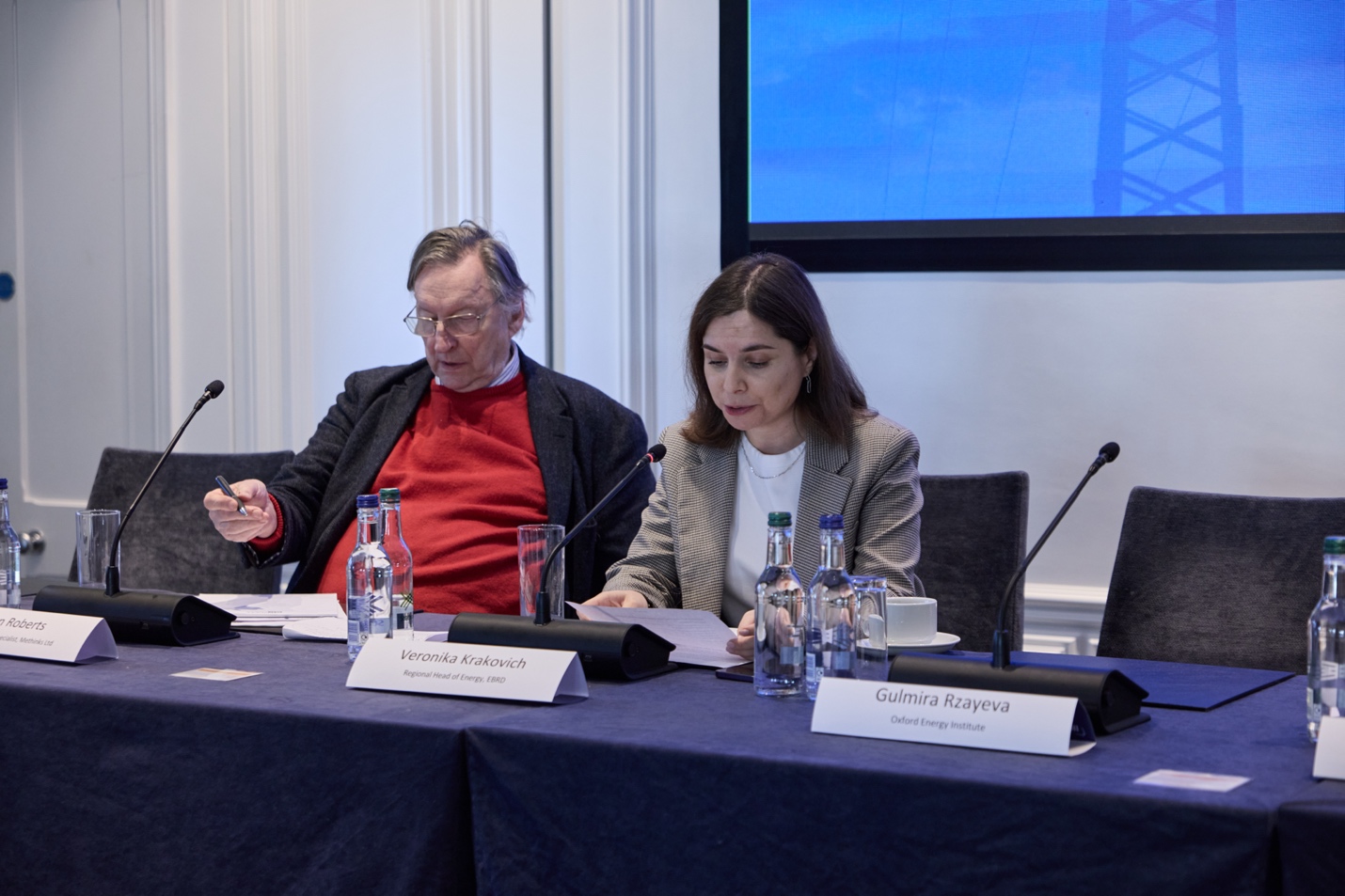
Veronika Krakovich, Regional Head for Energy at the European Bank for Reconstruction and Development (EBRD), spoke about the EBRD’s recent investments in Central Asia to support the region’s energy transition. “The past few years has shown us how geopolitical shifts, climate change and economic challenges can disrupt energy systems for Central Asia. These challenges are compounded by the region's dependence on carbon intensive generation to clean energy. At the EBRD we have been working across Central Asia to support this transition. Today, The EBRD has invested over 3.7 billion euros in the energy sector of Central Asia through 84 projects, supporting five gigawatts of renewable capacity in the region alone,” Krakovich said.
Krakovich also spoke about the EBRD’s support for the Kambarata-1 Dam project in Kyrgyzstan, noting: “Kambarata-1 embodies the spirit of partnership—jointly developed by the Kyrgyz Republic, Uzbekistan, and Kazakhstan, and supported by the World Bank and the EBRD. Kambarata-1 will provide essential balancing capacity for scaling renewables across the region and will be a foundation for regional development.”
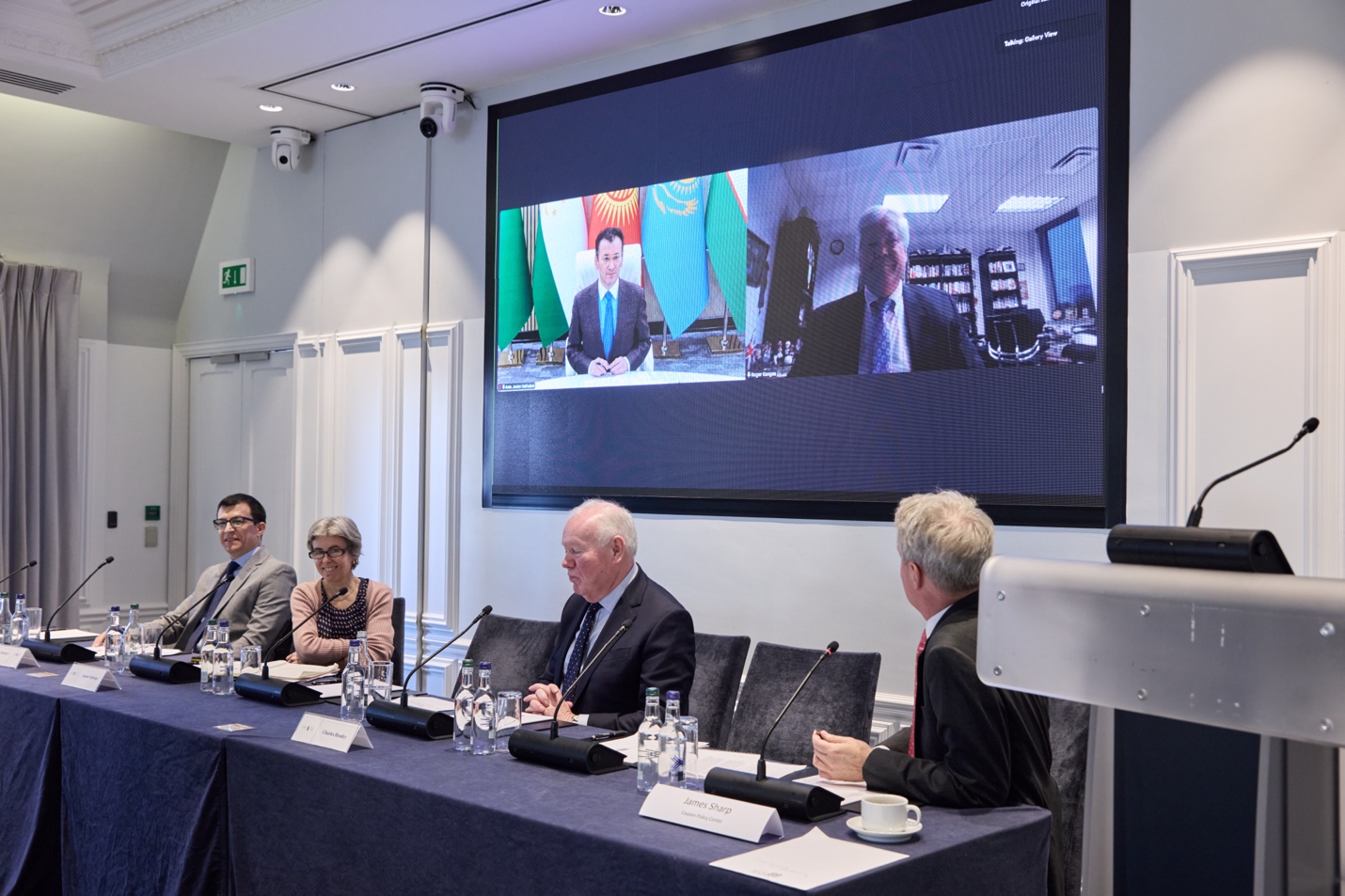
The second panel, “Strategic Partnerships and Common Benefits”, focused on the evolving strategic partnerships between Europe and the Caspian region, examining how shared energy interests, emerging transit opportunities, regional cooperation, and expanding multilateral climate collaboration are reshaping the geopolitical landscape and strengthening the role of Caspian states in global energy and climate discussions. Moderated by James Sharp, the discussion included insights from Michael Ritchie, Editor of Nefte Compass at Energy Intelligence; Charles Hendry, former UK Trade Envoy for Azerbaijan, Kazakhstan and Turkmenistan and former UK Minister of State for Energy and Climate Change; Dr. Joanna Depledge, Research Fellow at the Cambridge Centre for Environment Mott MacDonald; and Kakajan Berdiyev, Co-Founder and Managing Partner at Maslahatcylar Consulting Firm.
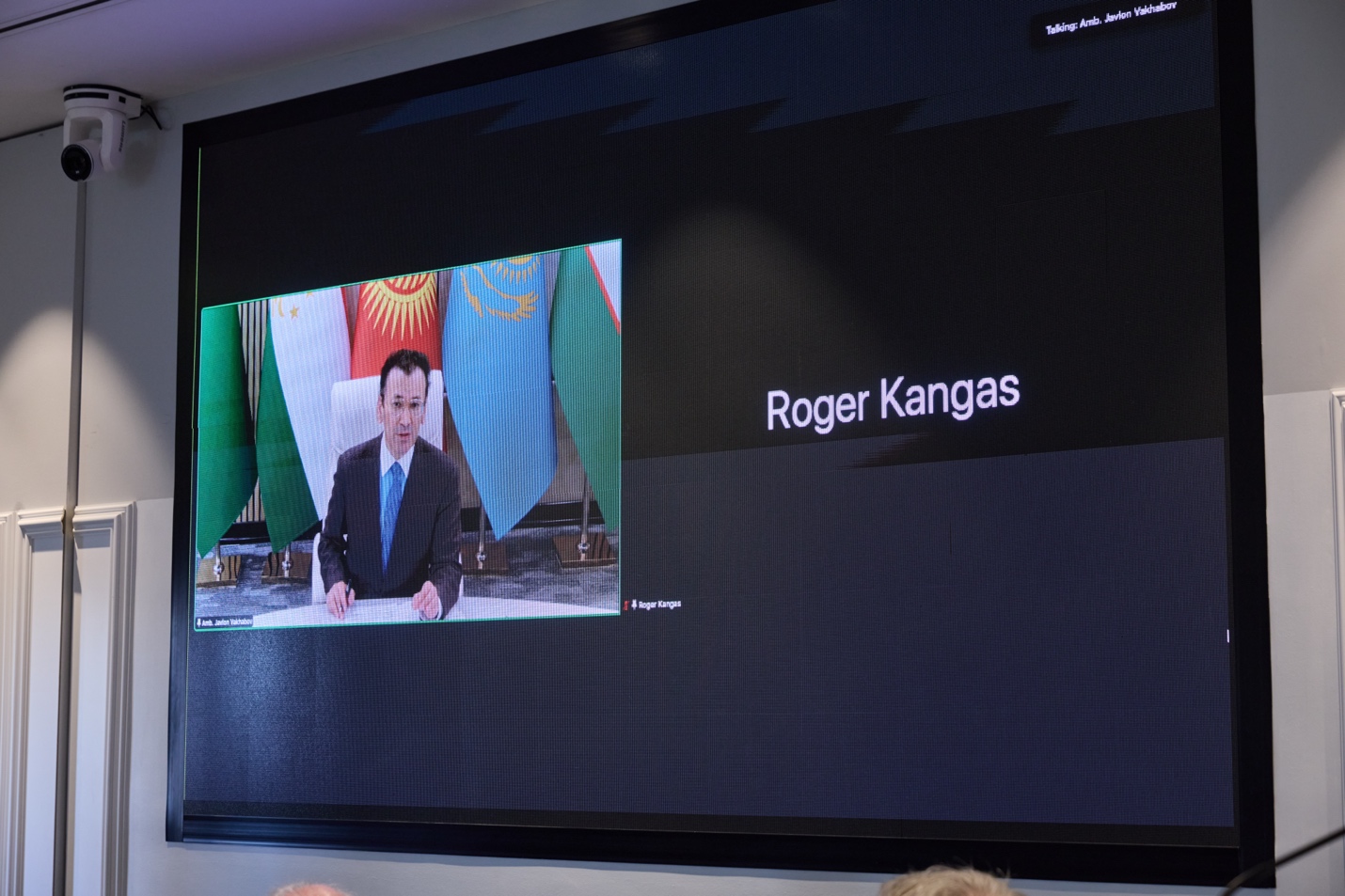
Speaking on the importance of Central Asian states moving towards a green economy, Javlon Vakhabov, Managing Director, International Institute for Central Asia (IICA), stated that “The region understands the risks of overdependence on fossil fuels, both in terms of economic volatility and geopolitical exposure. So global energy markets are undergoing profound dissemination, with investors and major consumers shifting towards low carbon energy sources, and if Central Asia does not adapt, it risks being left behind in emerging green supply chains and imposing access to export markets in the future.”
Vakhabov also discussed how transitioning to green energy is increasingly boosting Central Asia’s investment appeal. “Kazakhstan’s nearly $4 billion in green deals at COP29, Uzbekistan’s more than $22 billion in renewable investment, and Tajikistan’s goal of 100% green electricity by 2032 all signal a shift attracting global capital,” Vakhabov said.
Touching on some of the challenges that the Caspian region’s energy infrastructure currently faces, Vakhabov noted: “Much of the region’s energy infrastructure was built in the Soviet era and is now 30–50 years old, leading to high losses, inefficiencies and frequent outages. An estimated $40–50 billion is needed to modernize regional energy systems, including grids and sustainable supply systems.”

Speaking on the security dimension of regional energy dynamics, Dr. Roger Kangas, Professor of Central Asia Studies at Georgetown University’s Near East South Asia Center for Strategic Studies, stated, “External actors want to see stable transit of energy resources, but the burden of security will increasingly be placed on the actors themselves in the region.”
Kangas also touched on threats to critical infrastructure. On the topic of which actors would like to see energy and transit projects disrupted, Dr Kangas talked about both state (Iran, Russia) and non-state actors (like Islamic State-Khorasan): “We must ask the difficult question: who would like to see these projects fail? Who would like to see these routes disrupted?” He added that it’s important to consider non-state actors such as extremist groups who may want to disrupt routes like TAPI or CASA-1000 to hurt their adversaries.
When considering U.S. involvement, Kangas said: “We must not think in terms of a state-centric security approach, but rather about creating opportunities for private sectors and shifting responsibilities to the region.”
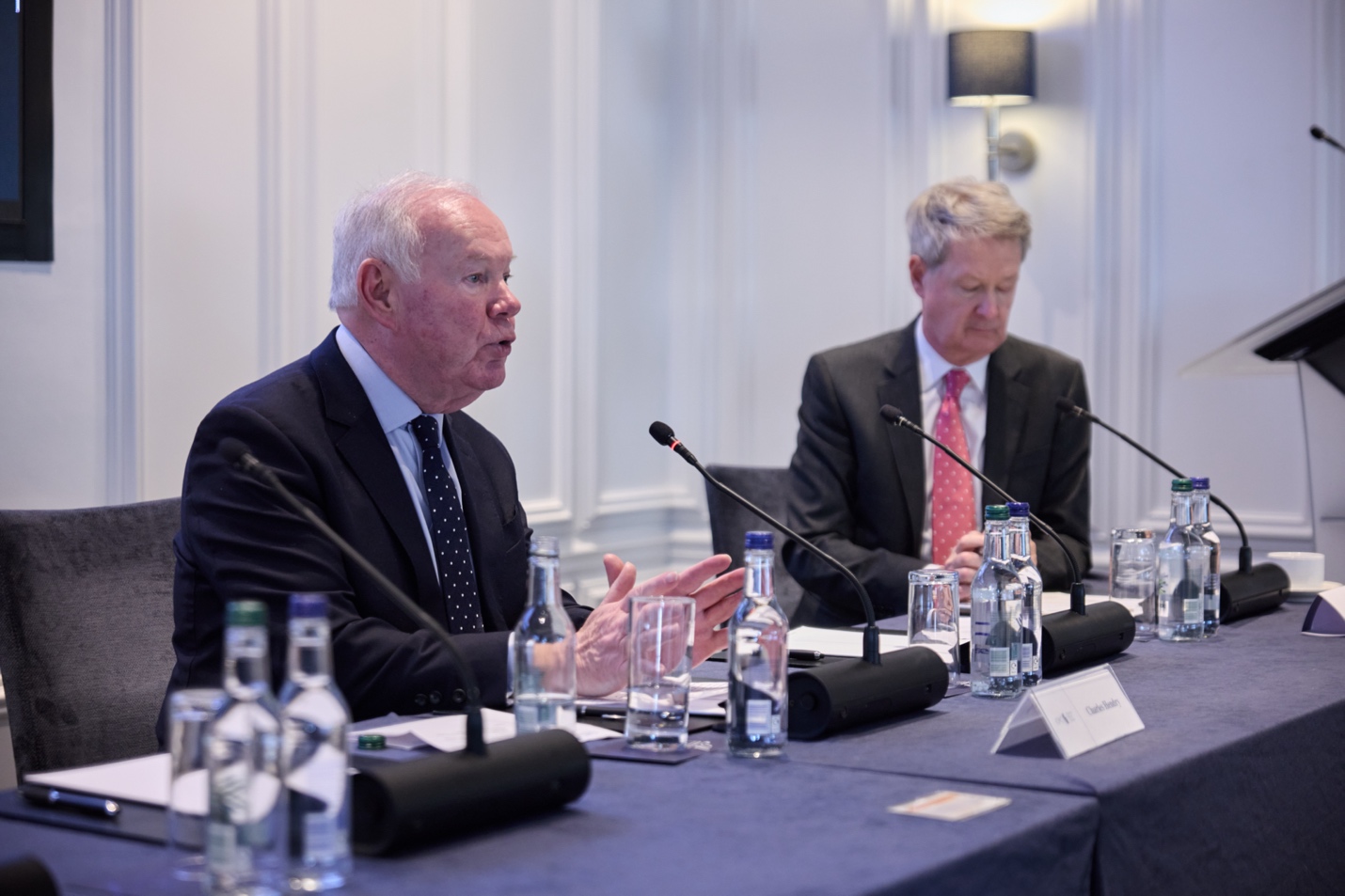
Charles Hendy, former UK Trade Envoy for Azerbaijan, Kazakhstan and Turkmenistan and former UK Minister of State for Energy and Climate Change highlighted the nonconventional ways which countries have started to conduct hybrid warfare. “If you look at the extent to which we monitor the integrity and safety of subsea cables and subsea pipelines, then we are way short of where we need to be in this current new set of circumstances,” Hendry noted.
Speaking on the role of natural gas in UK and European energy security, Hendry said: “I think we (UK) will inevitably be drawn away from an absolute net-zero commitment toward something more flexible, with a clearer, enduring role for gas in the mix.”
Hendry also discussed opportunities to partner with the Caspian region on critical minerals, in order to resolve supply chain vulnerabilities: “Europe has a real problem: 90% of lithium processing is done in China, and by the end of the decade China will need most of that for its own manufacturing ...We should be looking collaboratively at halfway-house solutions—early-stage processing in the Caspian region, finishing in Western markets.”
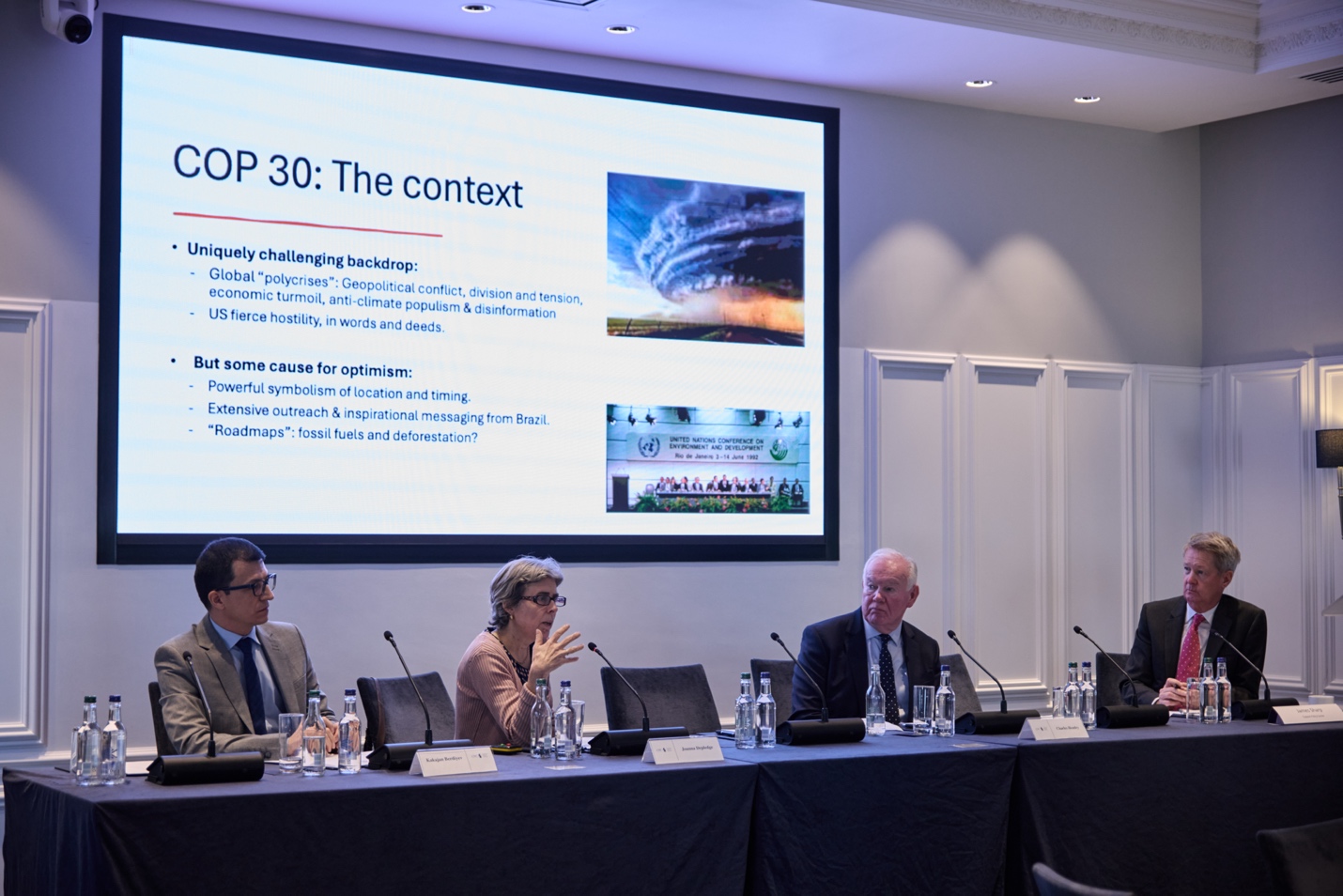
Dr. Joanna Depledge, Research Fellow at the Cambridge Centre for Environment, picked up on the importance of reducing energy costs and building energy resilience in the region. Dr. Depldege spoke on the results of COP30, arguing that “Belém was certainly not a failure, but it was disappointing for many hoping for faster decarbonization.”
Regarding the region’s engagement in multilateral climate negotiations, Dr. Depledge said: “Over the past 10–15 years, I have seen a significant increase in commitment, engagement, and visibility from the region. Most countries in the region have submitted their transparency reports on time—a major achievement and the core of the Paris Agreement’s accountability system.”
Dr. Depledge also praised the regional engagement in the recent and upcoming COPs: “COP31 in Antalya caps an extraordinary series of COPs in the region—Azerbaijan, Turkey, and Armenia hosting major climate and biodiversity conferences.”
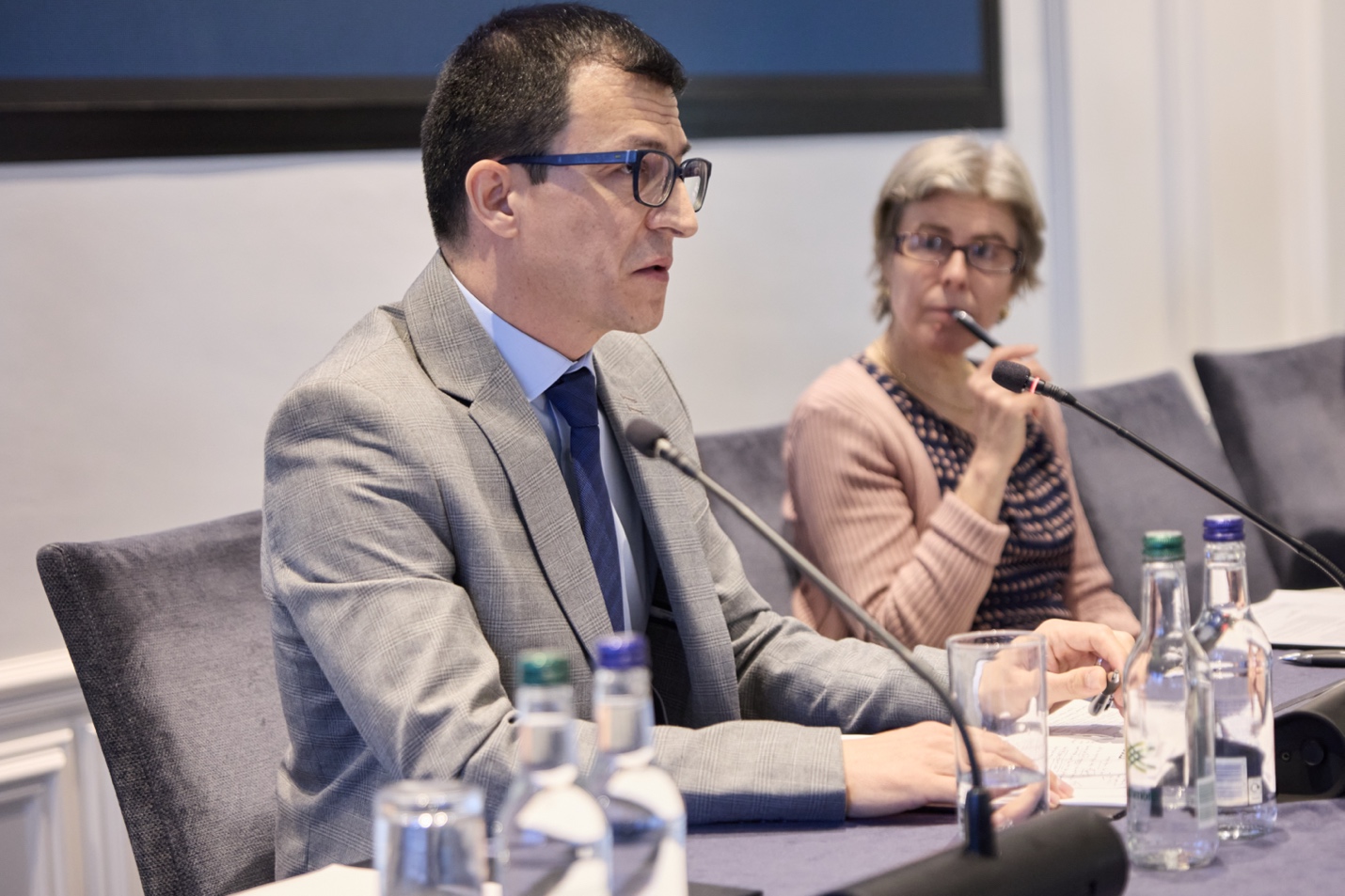
Picking up on the topic of environmental pressures in the Caspian region, Kakajan Berdiyev, Co-Founder and Managing Partner at Maslahatcylar Consulting Firm, said: “The Caspian region—especially Central Asia—has felt climate stress more than any region globally over the past years. The region’s temperature has increased at more than twice the global average, and it faces very high levels of water stress.” In this regard, Berdiyev noted that water-related regional cooperation has become the number one priority in the C5 agenda.
Berdiyev then commented on the growth of regionalism: “In every country I visit, I see a growing trend of regionalism and multilateral engagement. Whether in fossil fuels, renewables, or connectivity, the region is increasingly working together and engaging with global partners.”
Berdiyev concluded his remarks by speaking on regional connectivity and the importance of the Middle Corridor. “When it comes to connectivity, there is a great opportunity to further increase engagement and cooperation,” he said, citing the Asian Development Bank’s claim that roughly half of all investments needed to complete the Middle Corridor must come from international partners—development banks, governments, or platforms.
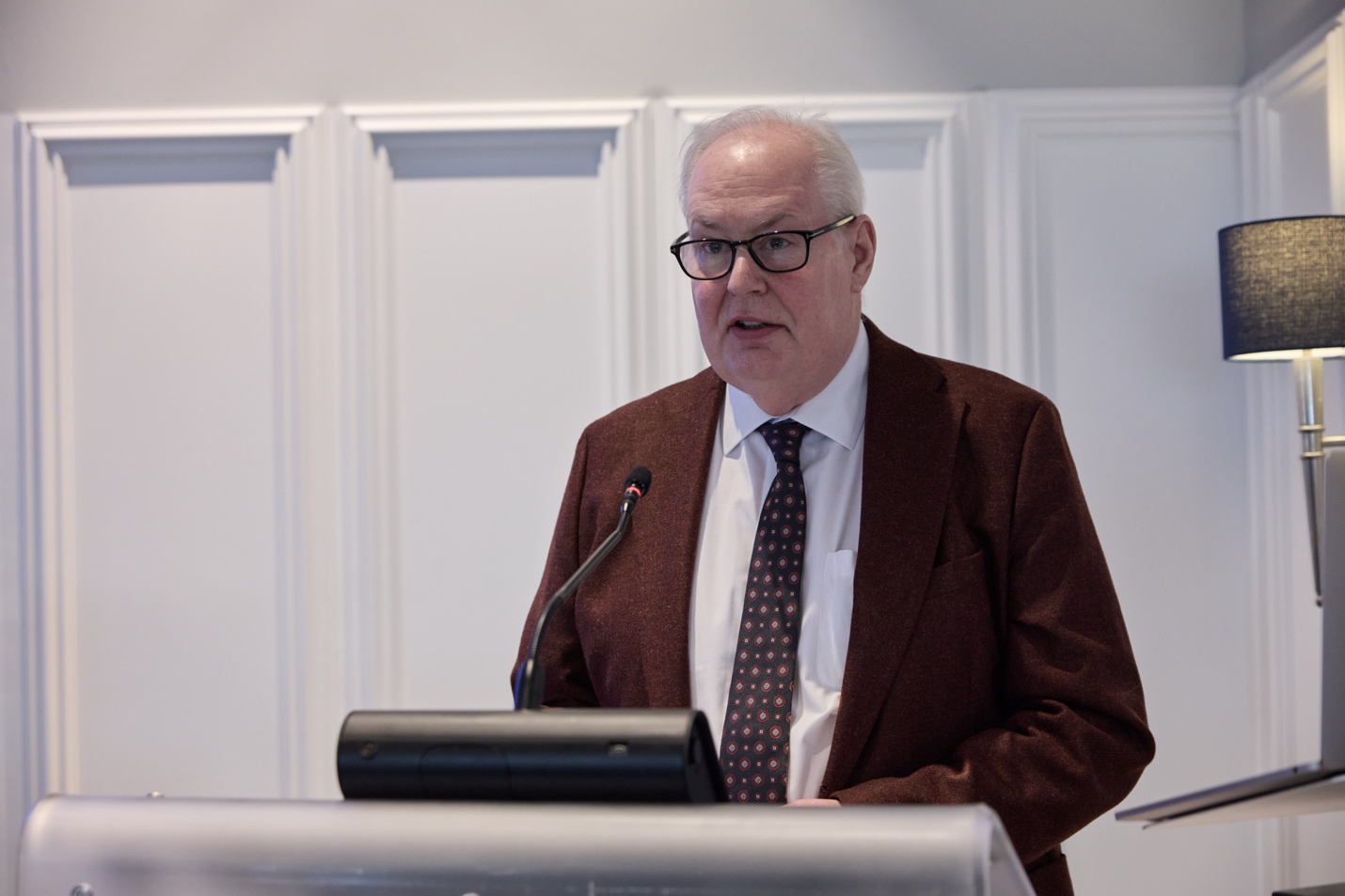
David Moran, CPC’s UK advisor, gave concluding remarks and mentioned the U.K.’s strategic importance for the further development and strengthening of the Caspian region.
“I’m struck by how much more regional cooperation is taking place as the transition toward green energy accelerates. The transition remains complex, costly, and lengthy—it’s not a done deal by any means. Navigating new realities isn’t about saying ‘we can’t do it’; it’s about understanding the risks but also the opportunities,” Moran concluded.